57 million early votes set stage for tight congressional race
With polls open, both parties stake their chances on ground games and voter enthusiasm as the fight for control of Congress intensifies.
By Neha Delgado ·
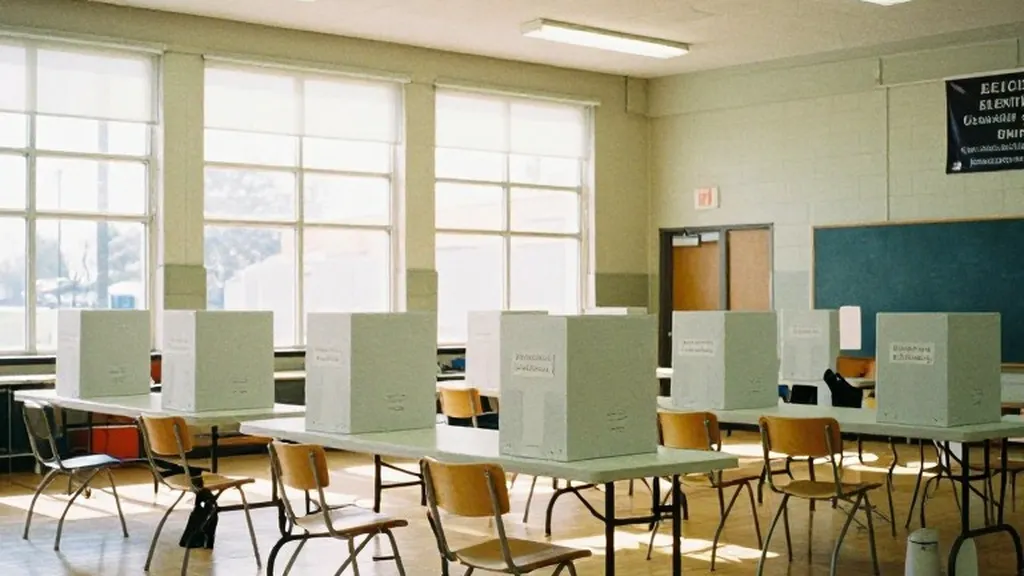
Voters across the United States are heading to polling places on Tuesday to decide which party will control Congress for the final two years of President Donald Trump's second term. The Associated Press reports that more than 57 million people have already cast their ballots, a figure that surpasses early voting totals from the previous midterm election in many closely watched states. This high level of participation suggests a fierce contest over the 435 House seats and 35 Senate seats on the ballot.
Republican national leaders are focusing intensely on turnout as the primary driver of their success. Joe Gruters, the chairman of the Republican National Committee, stated that everything depends on whether the party can turn out its base. He noted that if Republicans mobilize their voters effectively, they will secure victory. This strategy reflects a broader effort to counter the historical trend where the president's party loses seats during midterm elections.
Democratic leaders are adopting a similar emphasis on engagement while framing the election as a response to voter frustration. Suzan DelBene, the chair of the Democratic National Committee, said the American people are angry and want change. Her comments align with polling data from the AP-NORC survey, which indicates that about seven in ten adults believe the country is heading in the wrong direction. Many voters cite high prices as the main factor influencing their decision.
The ground game is proving decisive in battleground districts where margins are thin. Ballotpedia identifies 46 House districts as competitive, with 25 currently held by Democrats and 21 by Republicans. In these areas, local volunteers and campaign staff are working to ensure that every eligible voter has the chance to participate. The Associated Press notes that one or two seats could tip the balance of power in either chamber, making these races critical.
In the Senate, the race is equally tight with 13 contests considered competitive. Republicans hold a 53 to 45 majority and can lose only two seats to maintain control. Democrats need a net gain of four seats to take the chamber. Key states include Georgia, where Sen. Jon Ossoff faces Republican Rep. Mike Collins, and North Carolina, where former Gov. Roy Cooper challenges Michael Whatley. These races are often influenced by the 2024 presidential results in each state.
Economic concerns are central to the voter discussion in these contested areas. The AP reports that voters are struggling with high prices and are angry over the ongoing conflict with Iran. In a poll, 25 percent of adults approved of the president's handling of the economy, a figure that underscores the challenge facing Republican candidates. Many voters in swing states say their cost of living is the top issue they are considering as they cast their ballots.
Governor's races also offer a potential shift in power dynamics. Democrats currently hold 24 governorships and Republicans hold 26. Democrats need a net gain of two offices to achieve a nationwide majority for the first time in two decades. In states like Arizona and Kansas, Democratic incumbents are defending their seats in regions that voted for President Trump in 2024. These races will signal which party resonates with suburban and rural voters.
The administration has been active in overseeing the election process, leading to some legal disputes. A federal judge temporarily barred a plan aimed at preventing noncitizen voting, citing concerns about disenfranchising eligible voters. Another judge ordered the administration to stop demanding that California segregate ballots from people on specific lists. These moves have raised questions about the role of federal oversight in state-run elections.
Campaign spending has reached historic levels, with Republican committees outraising their Democratic counterparts. This advantage was driven largely by groups affiliated with President Trump and Elon Musk. However, at the candidate level, Democrats were able to outraise their opponents in many districts. The Associated Press analysis shows that most Republican TV ad spending went to states and districts where President Trump won by wide margins in 2024.
As polls begin to close, the focus shifts to the mechanics of counting and reporting results. The U.S. Postal Service has added staff and hours to ensure mail ballots are processed in time. In states like California and Colorado, where much of the voting is by mail, the count may take longer to finalize. The outcome will determine the legislative agenda for the next two years, including potential investigations and budget negotiations.
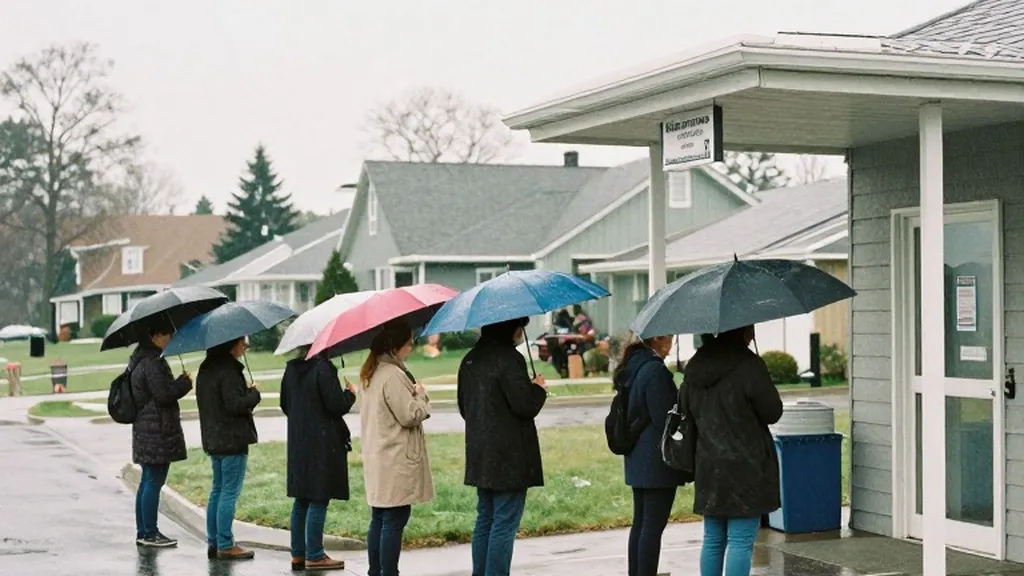
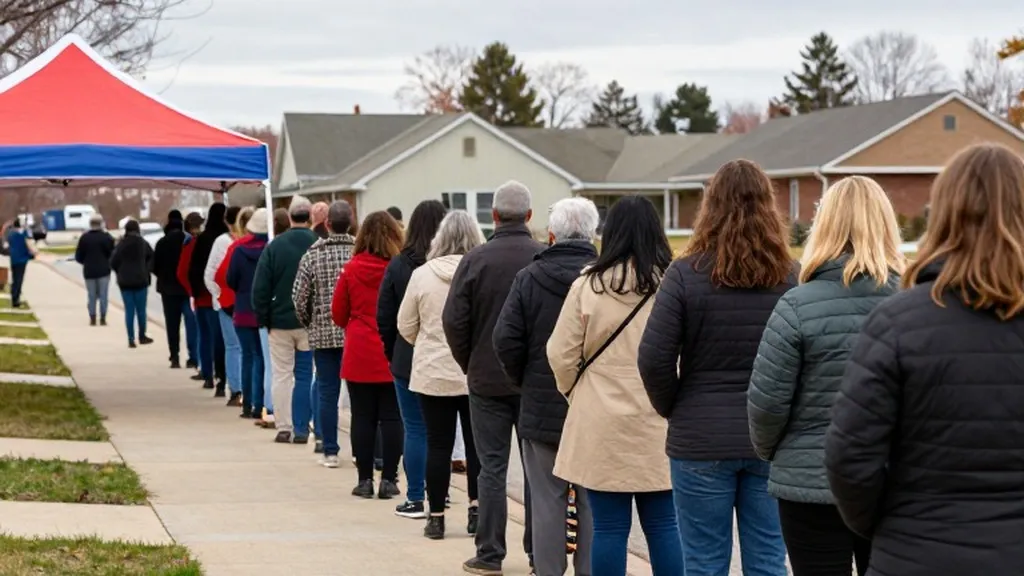
Voters in various states are reporting different experiences at the polls, with some noting long lines and others describing smooth processes. The Associated Press highlights the diversity of issues at play, from border security to the cost of healthcare. As the day progresses, the final tally will reveal which party can capitalize on high early turnout and local ground games to secure a majority in Congress.