Record Spending and the 850 Million Dollar Edge in 2026 Midterms
Republican committees outspent Democrats by a wide margin while individual candidates saw different financial trends, setting the stage for a high-cost election day.
By Karan Meyer ·
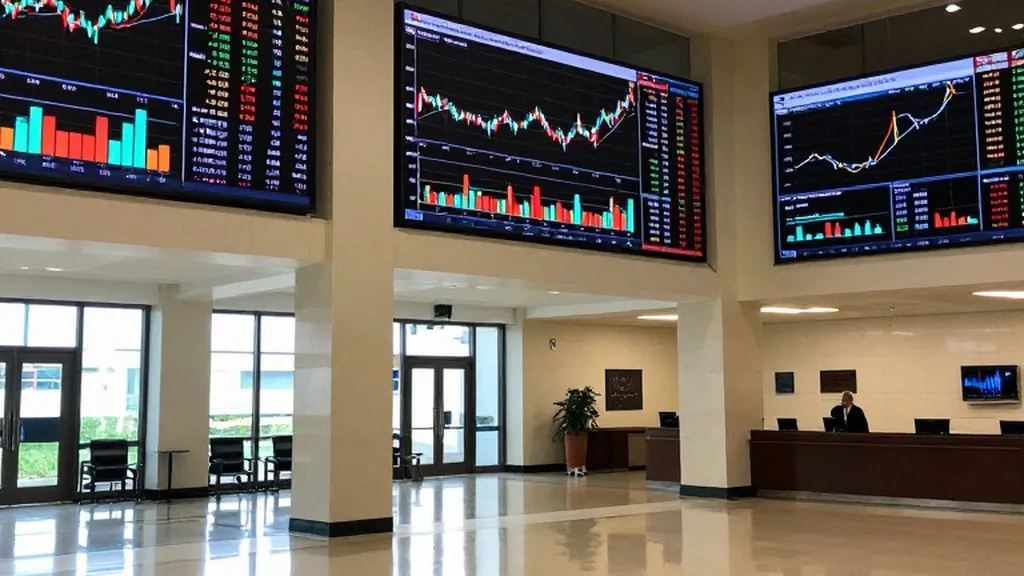
The 2026 midterm election is shaping up to be the most expensive in American history. As polling places open across the country, the sheer volume of money poured into this cycle is a defining feature of the campaign. The Associated Press reports that total spending is expected to surpass all previous records, reflecting the high stakes involved in deciding who controls Congress for the remainder of President Donald Trump's second term. This financial intensity underscores the competitive nature of the races and the resources being deployed to influence voters.
Republican committees have held a significant advantage in general fundraising and spending. They outraised and outspent their Democratic counterparts at the committee level. This edge was bolstered by contributions from groups affiliated with the president and major donors, including Elon Musk. These funds allowed Republican organizations to maintain a dominant presence in media markets nationwide. The ability to outspend opponents gives these committees a strategic advantage in shaping the narrative and reaching a broad audience of undecided voters.
A detailed analysis of television advertising data highlights the geographic focus of this spending. According to the Associated Press, 88.1 percent of Republican general election TV ad spending went to states and districts that Trump won in 2024. This targeted approach aimed to solidify support in areas that already leaned toward the president. The data indicates a heavy concentration of resources in districts where the president won by ten points or more, accounting for more than 850 million dollars in ad spending. This strategy reflects a belief that reinforcing the base in these areas is crucial for maintaining or expanding their majority in the House.
In contrast, the financial landscape looks different at the candidate level. While committees favored the Republicans, Democratic candidates actually outraised their opponents. This divergence suggests that individual Democratic campaigns were more successful in generating grassroots and direct donations. This candidate-level edge may provide a buffer for Democrats in close races, even if the overall committee spending favors the Republicans. It highlights the complexity of modern election financing, where different levels of the party structure experience different financial pressures and successes.
The money is being deployed against a backdrop of voter concerns about the economy. The Associated Press notes that voters are struggling with high prices and are angry over an unpopular war with Iran. These issues dominate the public discourse and likely influence how candidates allocate their budgets. With 35 percent of adults approving of the president's job performance and only 25 percent approving of his economic handling, the financial war is being fought in a challenging environment. The high cost of the election is a direct response to these economic anxieties, as both parties seek to address the cost of living in their messaging.
Turnout remains the critical variable that money cannot fully control. RNC Chairman Joe Gruters emphasized that everything depends on turnout, stating that if they turn out their voters, they win. This sentiment was echoed by many Republican strategists who braced for potential losses in the House. The massive spending campaigns are designed to drive this turnout, ensuring that supporters make it to the polls or cast early ballots. More than 57 million people had already voted as of Monday, surpassing early vote totals from four years ago in many states. This early surge suggests that the financial investments are beginning to have an impact on voter behavior.
Democratic leadership maintained a cautiously optimistic tone despite the spending disparity at the committee level. DCCC Chair Rep. Suzan DelBene stated that the American people are angry and want change. This message aligns with the candidate-level fundraising success, suggesting that the base is engaged and willing to contribute. The Democrats are fighting to hold the Senate and potentially retake the House, with the goal of initiating investigations if they gain control of either chamber. The financial edge at the candidate level provides them with the tools to sustain this message through election day and beyond.
The distribution of funds also reflects the strategic priorities of each party. Republicans focused on protecting their incumbents and winning open seats in states that leaned Republican in 2024. Democrats, meanwhile, concentrated their efforts on battleground states and districts where the margin was closer. This targeted spending is evident in the allocation of TV ads and digital marketing resources. The result is a highly competitive field where every dollar is scrutinized for its potential to influence a specific voter or district. The financial battle is as much about geography as it is about ideology.
Wall Street is closely watching these midterms, recognizing that the outcome will have significant implications for economic policy and investor confidence. Reuters notes that results could add to concerns about AI spending and debt ceiling negotiations. The high cost of the election is not just a political phenomenon but an economic one, with billions of dollars flowing through the system. This level of spending has historically been associated with volatile markets, as investors try to predict the policy direction of the new Congress. The financial stakes extend far beyond the immediate election results.
Voters on the ground are aware of the intensity of the campaign. In Palm Beach Gardens, Florida, one voter noted that he has been following the president the whole time and thinks he is doing an awesome job. In Raleigh, North Carolina, another voter expressed concern about rising taxes and healthcare costs. These individual perspectives reflect the broader national debate that the spending is trying to influence. The record-breaking nature of this election ensures that the outcome will be closely analyzed for its long-term political and economic consequences. The polls are open, and the money has been spent, leaving the final decision to the voters themselves.