New Maps in Seven States Face a Test on Election Day
Redistricting in Texas, Ohio, and other key states may not yield the expected Republican gains as voters head to the polls.
By Neha Delgado ·
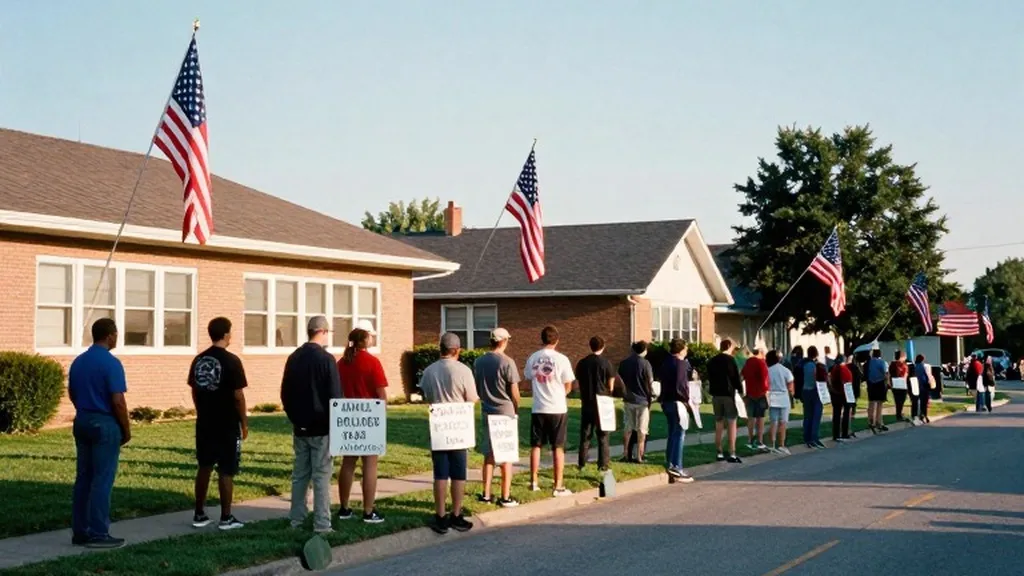
Election Day has arrived for the midterm elections, a contest that will determine the balance of power in Congress for the final two years of President Donald Trump's second term. All 435 seats in the U.S. House are up for grabs, along with 35 Senate seats. The results of this vote will shape the legislative landscape heading into 2027 and beyond.
A central feature of this election cycle is the use of new congressional maps in seven states. California, Florida, Missouri, North Carolina, Tennessee, Texas, and Ohio are all voting under new district lines following mid-decade redistricting efforts. These changes were largely driven by Republican leaders who sought to optimize their seat count in the House.
However, the effectiveness of these new maps is being tested by current voter sentiment. The Associated Press describes the election as a referendum on the president's performance, with many voters expressing frustration over high prices and an unpopular war with Iran. This mood may influence how voters in the newly drawn districts cast their ballots.
In Texas, the new map was designed to solidify Republican control in a state that President Trump won by a wide margin in 2024. Yet, the state's governor's race is considered competitive, with Republicans defending their majority in the executive branch. The interplay between the new House districts and the broader state political climate will be a key indicator of the redistricting strategy's success.
Ohio presents a similar scenario. The state is using a new map for its House districts while also electing a new governor and a special Senate seat. The Associated Press notes that the special Senate race features former Democrat Sherrod Brown against incumbent Republican Jon Husted. The outcome of this race, alongside the House results, will provide early clues about whether the new lines are performing as intended.
Florida is another critical state where new maps are in play. The state is holding a special Senate election to fill the seat previously held by Marco Rubio. Republican Ashley Moody is running for the remainder of the term. With Florida having been a key battleground in recent cycles, any deviation from expected Republican performance in the new House districts could signal a shift in voter behavior.
North Carolina and Tennessee also adopted new congressional lines. In North Carolina, the Senate race is open following the retirement of Thom Tillis, who clashed with President Trump. The race between Democratic former governor Roy Cooper and Republican Michael Whatley is closely watched. The performance of candidates in the newly drawn House districts will be compared against the Senate results to gauge the impact of the map changes.
Missouri, California, and the other states with new maps add to the complexity of the election. In California, a judge recently ordered the administration to stop demanding the segregation of ballots cast by suspected noncitizens, a move that critics say could affect turnout in the new districts. The state's largely mail-in voting process will make it difficult to get immediate results, but the final numbers will be crucial for understanding the new lines.
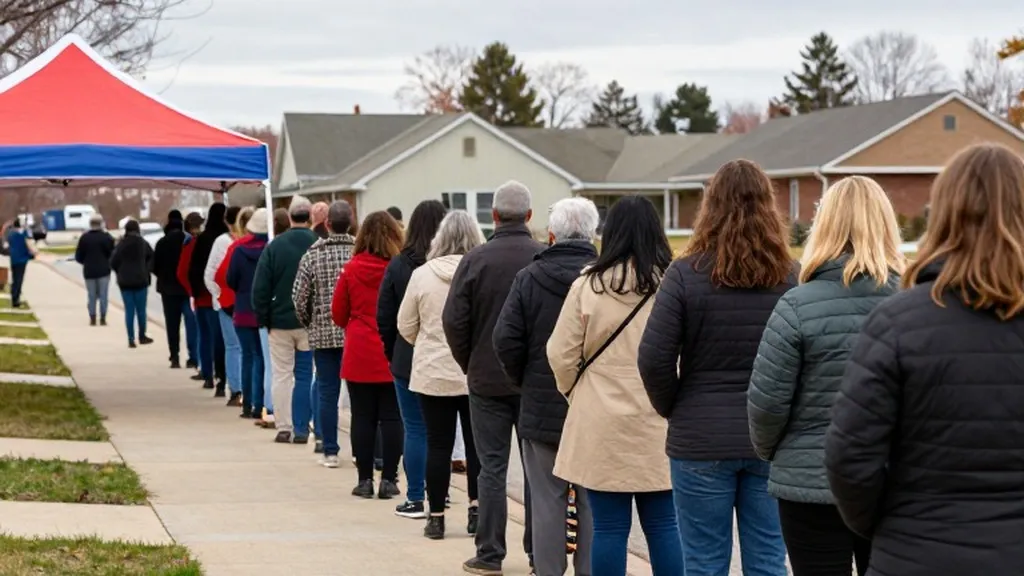
The Associated Press reports that more than 57 million people had already voted as of Monday, surpassing early vote totals from four years ago in many closely watched states. This high level of early participation suggests that voters are engaged with the issues of the day, including the economy and border security. The turnout will be a critical factor in determining whether the new maps achieve their intended goals.
Republicans are bracing for the possibility of losing the House while fighting to hold the Senate. The Associated Press notes that one or two seats could tip either chamber. The new maps were partly a defense against the traditional midterm pattern where a president's party loses seats. If the new districts do not perform as expected, it could complicate the Republican strategy for the future.
The mood among voters is mixed. Some, like Mark Barker of Palm Beach Gardens, Florida, remain supportive of the president, while others, like James Moore of Raleigh, North Carolina, cite rising costs for taxes and healthcare. These individual experiences reflect the broader national debate that is shaping the election. The new congressional maps will be a key factor in translating these sentiments into legislative outcomes.