How to Vote on Election Day: Poll Hours, ID Rules and Mail Ballot Deadlines
A practical guide for voters across the nation, featuring state-specific poll hours, identification requirements, and the status of mail-in ballot processing.
By Neha Delgado ·
Election Day is Tuesday, November 3, 2026, and voters across the United States are heading to the polls to decide the control of Congress. The stakes are high for the midterm election, which will determine who holds power in the House and Senate for the final two years of President Donald Trump's second term. With all 435 House seats and 35 Senate seats up for grabs, the outcome will shape the legislative agenda and oversight capabilities for the coming legislative session. Republicans currently hold a narrow majority in the Senate and the House, but Democrats have a path to taking control of either chamber if they gain specific numbers of seats.
Before heading to the polls, voters should verify their specific polling location and the hours of operation in their state. According to Ballotpedia, poll hours vary significantly by jurisdiction, with most states opening between 6 a.m. and 8 a.m. and closing between 6 p.m. and 9 p.m. For example, polls in Alabama open at 7 a.m. and close at 7 p.m., while in California, voting is largely by mail, though polls are open from 7 a.m. to 8 p.m. In New York, polls are open from 6 a.m. to 9 p.m., whereas in Indiana, they close at 6 p.m. Voters can find their specific location and times at vote.gov or by contacting their local state election office. It is critical to check these times, as they are local and can differ between counties within the same state.
One of the most common questions for voters on election day is whether they need to bring identification. ID rules vary by state, and voters are advised to check their specific state's requirements before leaving home. In some states, a photo ID is mandatory, while others accept non-photographic identification or allow voters to sign an affidavit if they do not have ID. A federal judge temporarily barred the Trump administration from carrying out a plan intended to prevent noncitizen voting, which critics argued could disenfranchise eligible voters. This legal development adds a layer of complexity to the process, making it essential for voters to be prepared with the correct documentation to avoid delays at the polling place.
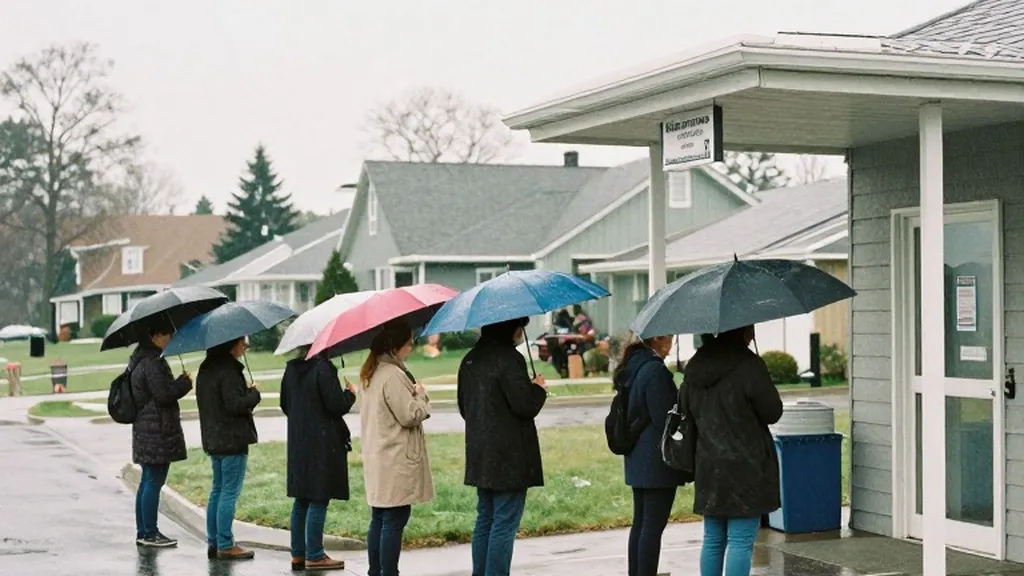
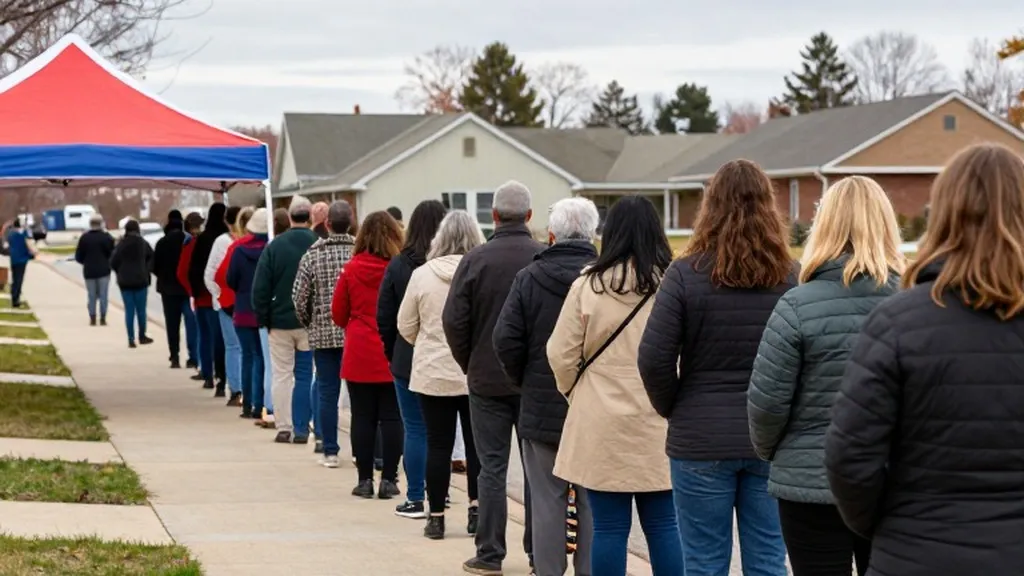
Staying in line is a key part of the voting process, and voters should know their rights regarding wait times. According to USA.gov, anyone in line when polls close is entitled to vote. This rule ensures that voters who arrive just before closing time are not turned away. The Associated Press notes that more than 57 million people had already voted as of Monday, surpassing the early vote of four years ago in many closely watched states. This high volume of early and mail-in voting means that lines at polling places on Tuesday may be shorter than in previous cycles, but voters should still plan for potential waits, especially in high-turnout districts.
Mail ballots are a significant component of this election, particularly in states like California, Colorado, and Oregon where voting is largely conducted by mail. The U.S. Postal Service has added hours, staff, and special lines to ensure that mail ballots are counted on time. For voters who are sending in their ballots, it is crucial to understand the postmark and receipt deadlines for their specific state. While many states require ballots to be postmarked by Election Day, others require them to be received by a specific date. Voters should track their ballots using tools provided by their state election office to ensure they are on track.
The Associated Press describes the election as a referendum on Trump's second term, with voters struggling with high prices and angry over an unpopular war with Iran. AP-NORC polling shows that 35% of U.S. adults approve of Trump's job performance, while about 7 in 10 say the country is heading in the wrong direction. Most respondents blame the president for high prices. This economic anxiety is a central theme for voters in both the House and Senate races. In the Senate, 35 seats are up, including 13 battleground races that will likely determine control of the chamber. Key races include those in Georgia, North Carolina, and Pennsylvania, where margins are expected to be tight.
In the House, Democrats need a net gain of three districts to achieve a majority, while Republicans can lose no more than two seats. Ballotpedia counts 46 battleground districts, with 25 held by Democrats and 21 by Republicans. The new congressional maps in states like Florida and Texas may also play a role in the outcome. Republicans have been bracing to lose the House but are fighting to hold the Senate. The Associated Press notes that one or two seats could tip the balance in either chamber, making every vote count. Voters in these competitive districts are making the final decisions that will shape the legislative landscape for the next two years.
Governors' races are also on the ballot in 36 states, with Republicans holding 26 governorships and Democrats holding 24. Democrats would need a net gain of two governorships to achieve a nationwide majority, which Republicans have held since 2010. Key governor races include those in Georgia, Ohio, and Nevada. In Georgia, Republican health care executive Rick Jackson is challenging Democratic former Atlanta Mayor Keisha Lance Bottoms. In Ohio, Republican Vivek Ramaswamy is facing Democrat Amy Acton. These races will determine who has the power to shape state policy and influence federal appointments, adding another layer of complexity to the election.
The mood among voters is one of cautious optimism for Democrats and determination for Republicans. RNC Chairman Joe Gruters stated that everything depends on turnout, emphasizing the importance of getting out the vote. DCCC Chair Rep. Suzan DelBene said the American people are angry and want change. This sentiment is reflected in the high level of early voting and the intense campaigning that has characterized the final weeks of the election. Voters are making their choices based on their views of the economy, foreign policy, and the direction of the country.