Trump's Midterm Strategy: Rallies, Distance, and the Fraud Question
As polls open, the President's active campaigning contrasts with cautious Republican candidates, while new legal challenges and low approval ratings shape the day's narrative.
By Karan Meyer ·
The political atmosphere on this Election Day is defined by the active, often aggressive, involvement of President Donald Trump in the midterm cycle. The President has held dozens of rallies across the country in the lead up to this Tuesday, with his schedule including stops in Mississippi, South Carolina, and Texas. His most recent rally concluded on Sunday in Salina, Kansas, a state that has become a central focus in the fight for Senate control. At that event, he urged the crowd, saying, I really want you to pretend I am on the ballot. This directive highlights a specific campaign strategy where the President seeks to influence the outcome of races for which he is not formally a candidate.
This approach has created a distinct dynamic between the White House and many Republican candidates running for office. Many of these candidates have kept their distance from the President in recent weeks, a tactic observed by political analysts as they navigate their own local constituencies. This distance is particularly notable given the President's high visibility and his direct appeals to voters. The Republican National Committee Chairman, Joe Gruters, emphasized the importance of turnout in this context, stating that everything depends on turnout and that if they turn out their voters, they win. This sentiment reflects the broad Republican strategy to overcome the historical pattern where a president's party loses seats in midterm elections.
The President's performance is a central metric for voters on this day. According to Associated Press-NORC polling, 35 percent of U.S. adults approve of the President's job performance, while 25 percent approve of his handling of the economy. About seven in 10 adults say the country is heading in the wrong direction, and most blame the President for high prices. These numbers provide a backdrop for the referendum on the President's second term that many describe this election to be. Voters are struggling with high prices and are angry over an unpopular war with Iran, issues that dominate the discourse in both red and blue districts.
Adding to the complexity of the day is the President's continued focus on voting fraud. He has made false claims about voting fraud, including the assertion that noncitizens vote in large numbers. His administration has filed lawsuits in Alaska and California related to the certification of results and the handling of ballots. In California, a judge ordered the administration to stop demanding that election officials segregate ballots cast by people on its lists of suspected noncitizens. Critics argue that these legal moves risk disenfranchising eligible voters and infringe on states' authority over elections, a concern that has intensified in the days leading up to the vote.
The financial aspects of this election are also unprecedented. The 2026 elections are likely to be the most expensive in history. Republican committees outraised and outspent Democratic committees, aided by Trump-affiliated groups and Elon Musk. However, at the candidate level, Democrats outraised their opponents. An analysis of AdImpact data by the Associated Press found that 88.1 percent of Republican general election TV ad spending went to states and districts the President won in 2024. This included more than 850 million dollars spent in areas where he won by 10 points or more, indicating a heavy focus on solidifying his base in those regions.
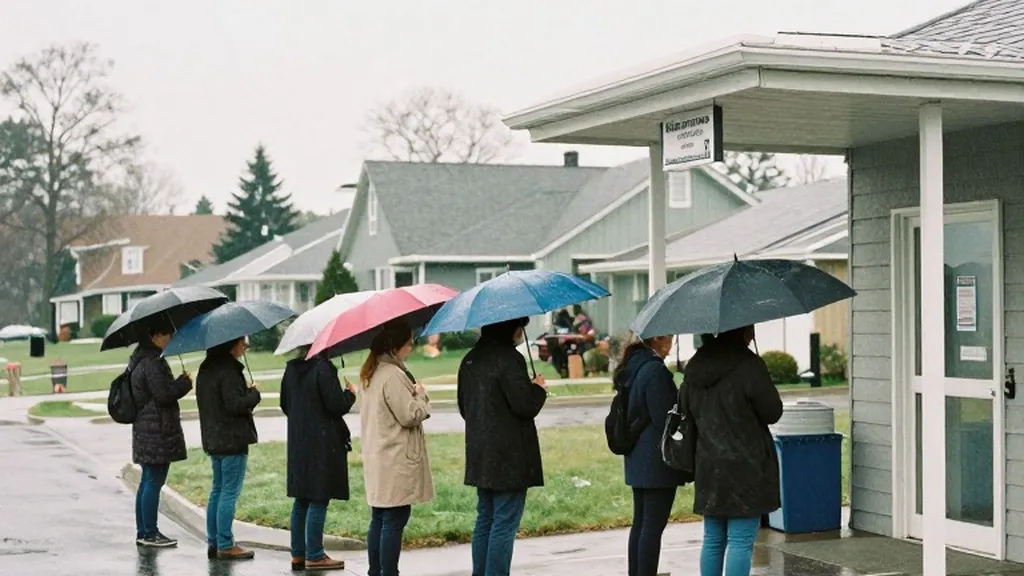
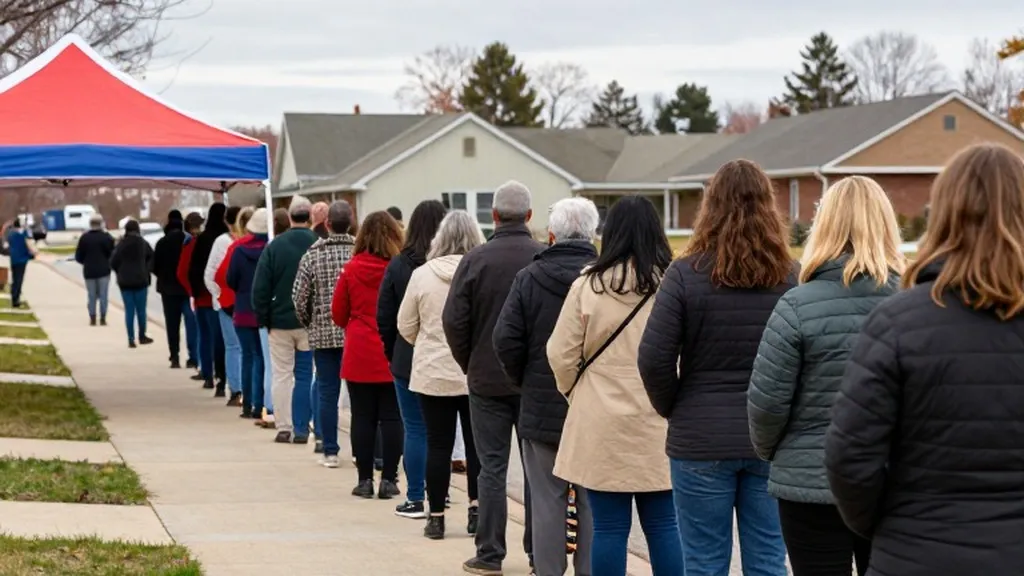
Voters are heading to the polls in large numbers, with more than 57 million people having already voted as of Monday. This figure surpasses the early vote of four years ago in many closely watched states. The high volume of early voting suggests a strong engagement level, particularly among those who have already made up their minds. In Palm Beach Gardens, Florida, voter Mark Barker said he has been following the President the whole time and believes he is doing an awesome job. In contrast, James Moore, a librarian in Raleigh, North Carolina, cited rising costs, noting that he is paying more taxes, more for healthcare, and more for everything.
The stakes for the parties are high as they look to control Congress for the final two years of the President's term. Republicans are bracing to lose the House but are fighting to hold the Senate. Democrats are described as cautiously optimistic, with their chair, Rep. Suzan DelBene, stating that the American people are angry and want change. The House is up for election in all 435 seats, and the Senate has 35 seats on the ballot. The outcome in these chambers will determine the balance of power in Washington and the potential for investigations and oversight proceedings in the coming years.
The administration's legal actions continue to play a role in the election narrative. A federal judge temporarily barred the administration from carrying out a plan it says would prevent noncitizen voting. This legal maneuver has drawn criticism from those who fear it could complicate the counting process and intimidate local election officials. The Justice Department has threatened to prosecute local election officials, a move that Democrats say is part of a broader effort to influence the outcome. These developments have kept the focus on the mechanics of voting as much as the political preferences of the electorate.
As polls open across the country, the day's events will be closely watched for signs of how voters respond to the President's messaging. The President's rallies have drawn large crowds, but the reaction of the general electorate remains to be seen. The combination of economic concerns, foreign policy disputes, and legal challenges to the voting process creates a multifaceted election day. Voters are deciding not just who will represent them in Congress, but also how much influence the President will have in shaping the legislative agenda for the next two years.