Polls show Trump approval at 37% as midterms approach
The president's support has fallen below the 40% threshold that historically predicts losses for the party in power during midterm elections.
By Chloe Phillips ·

President Trump's average approval rating has dropped to 37% in recent polls, falling below the 40% mark that has historically signaled severe losses for the president's party in midterm elections.
The decline represents a sharp drop from the 52% average approval rating recorded early in 2025. This shift in public opinion is driving expectations that Republicans will lose their slim majority in the U.S. House of Representatives on Tuesday.
The path to the current moment began with the 2024 election, where Trump and his party secured victory. Since then, the president has intensified his personal involvement in the campaign, framing the midterms as a referendum on his leadership.
During his first term, Trump adhered to a more conventional executive role. In this second term, he has presented himself as the primary architect of new policies and the central figure of the national narrative. He has actively campaigned for his party's candidates, asking voters to treat the election as a direct vote on his performance.
Voters have responded with skepticism regarding key economic and foreign policy promises. Inflation remains elevated, and gas prices have led a sustained increase in everyday costs. On the global stage, anticipated improvements in Ukraine and the Middle East have not yet materialized.
Trump's campaign strategy in the final weekend before the election focused on protecting Republican seats in the Senate. He traveled to Iowa and Kansas to hold rallies, despite the fact that Kansas has not elected a Democrat to the Senate since 1932 and Iowa had been won by Trump in 2016.
These in-person events were scheduled alongside remote tele-rallies in 19 other states. The Iowa and Kansas trip was briefly canceled late in the week before the election but was reinstated shortly before the weekend began.
Political analysts predict the Senate race will be too close to call. Republicans may retain control through the Vice President's tie-breaking vote, while Democrats are expected to win the House by a modest margin. This outcome would leave both parties with limited legislative power.
Internal divisions persist within the Democratic Party as they prepare for potential control of Congress. A group of 11 questions published by political demographer Ruy Teixeira in October urges the party to address working-class economic interests rather than focusing solely on social policy. Teixeira, formerly associated with Democratic think tanks, now works at the American Enterprise Institute.
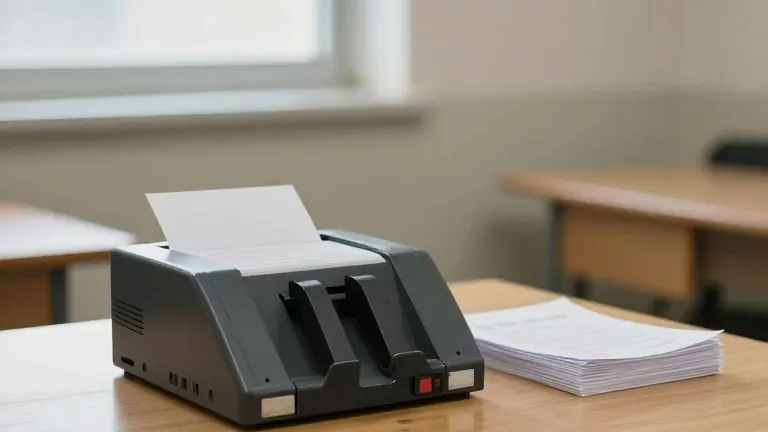
Beyond partisan dynamics, confidence in the electoral system itself is under scrutiny. Nonpartisan experts note that upgrades to voting technology since the Help America Vote Act of 2002 have improved security and accuracy. However, Trump has frequently labeled polling data and news reports as fake, a pattern that dates back to his 2016 campaign. Voters will assess the validity of the results in the days and weeks following the election.
Source: WUFT