Netanyahu and Trump Face Voter Tests as Iran War Looms Over Elections
Half a million dual citizens will vote in both nations within seven days, while candidates tie their futures to the outcome of the US-Israeli conflict with Iran.
By Chloe Phillips ·

Benjamin Netanyahu and Donald Trump enter a decisive week as voters in Israel and the United States prepare to cast ballots that will reshape the Middle East and the global economy. Israel holds parliamentary elections on Tuesday, followed a week later by the US midterms. The timing creates a direct link between the two political systems, with millions of citizens holding passports in both nations.
The physical connection between the two polls is substantial. Republicans Overseas Israel estimates that approximately 500,000 Israelis with US citizenship will vote in both countries. Marc Zell, the group's chairman, noted that these voters could influence tight races. He estimated that 10,000 absentee ballots would be cast from Israel in the Michigan senatorial contest. Zell told the BBC, "They can really make a difference."
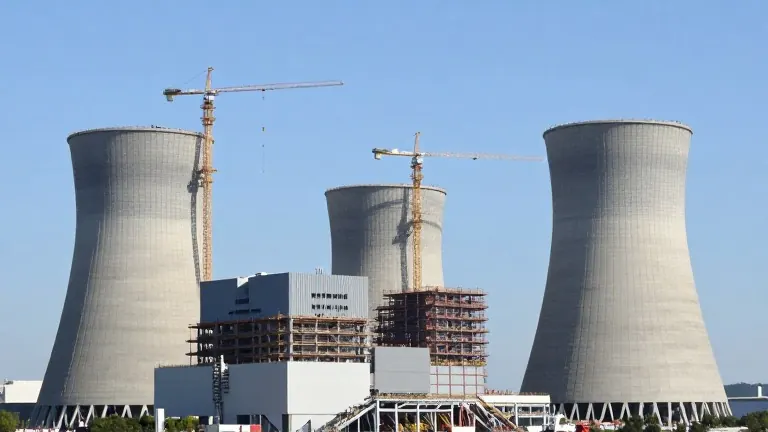
The policy stakes center on the war with Iran. The US and Israel launched a massive aerial attack in February that destroyed many military targets and killed much of Iran's leadership. The regime remains in power but has seized control of the Strait of Hormuz, choking global energy supplies. Netanyahu has used the campaign to promote a fresh attack on Iran. He has made new claims about the nuclear threat without providing evidence, insisting the Islamic regime must be overthrown.
Trump has amplified speculation about renewed strikes. He endorsed Netanyahu's re-election campaign, stating that both leaders should "soon finish the job" in Iran. However, reports suggest Trump intervened to restrain Netanyahu from attacking before polling day. The president feared a spike in energy prices would remind US voters of the unpopular war. Israeli media speculate that Netanyahu may delay an attack until after the vote to engineer a government of national unity.
Netanyahu faces personal risks if he loses power. He would face an official inquiry into his actions before the October 7 attacks and renewed corruption proceedings. His rival, Gadi Eisenkot, has ruled out joining a unity government. Eisenkot supports military action against Iran but has warned against escalating the war for political purposes. In the US, a well-placed Western diplomat noted that Trump will be in "legacy mode" after the midterms, seeking to demonstrate agency on foreign policy.
The economic impact of the war has dominated campaigning in both nations. Affordability and cost of living are key issues for US midterms, exacerbated by the war's effect on prices. In Israel, voters face high costs and low wages, with soaring defense spending pressuring public finances. Trump has lifted sanctions on Russia to import diesel and hopes to lower prices. Senator Thom Tillis of North Carolina criticized this strategy, saying, "If the President wants to actually bring down energy prices, he can do it by solving the Iran problem, not by doing a solid [favour] for Vladimir Putin."
Political dynamics in the US are shifting regarding Israel. Traditional bipartisan support has fractured due to the war and operations in Gaza and the West Bank. Abdul El-Sayed, a Democratic Senate candidate in Michigan, campaigns on cutting military aid to Israel. He told ABC News, "An ally that takes your money, to push you into wars you shouldn't be fighting, is not an ally." Brad Lander, a Democratic congressional candidate in New York, traveled to the West Bank days before polling to harvest olives with Palestinians.
The relationship between the two leaders is volatile. Trump recently called Netanyahu a "great warrior prime minister" after earlier describing him as "effing crazy." A new Israeli leader would have to forge a different relationship with an outgoing US president. If Democrats gain greater control in Congress, they could use their powers to restrain military spending or cut aid to Israel. Trump retains executive power and a veto to continue prosecuting the conflict as he sees fit.
Iranian officials have threatened to hit airports, pipelines, undersea cables, energy facilities, desalination plants, US bases, and warships in retaliation for new attacks. Foreign Minister Abbas Araghchi wrote in the Financial Times that new strikes would put "civilian lives and the wellbeing of all regional states and the global economy at great risk." The choices made by voters in both countries will determine the next phase of the conflict and the state of the global economy.
Source: BBC News