Trump pushes AI energy dividend plan
The President is urging data center operators to share excess power and costs with local residents to ease community tensions.
By Chloe Phillips ·
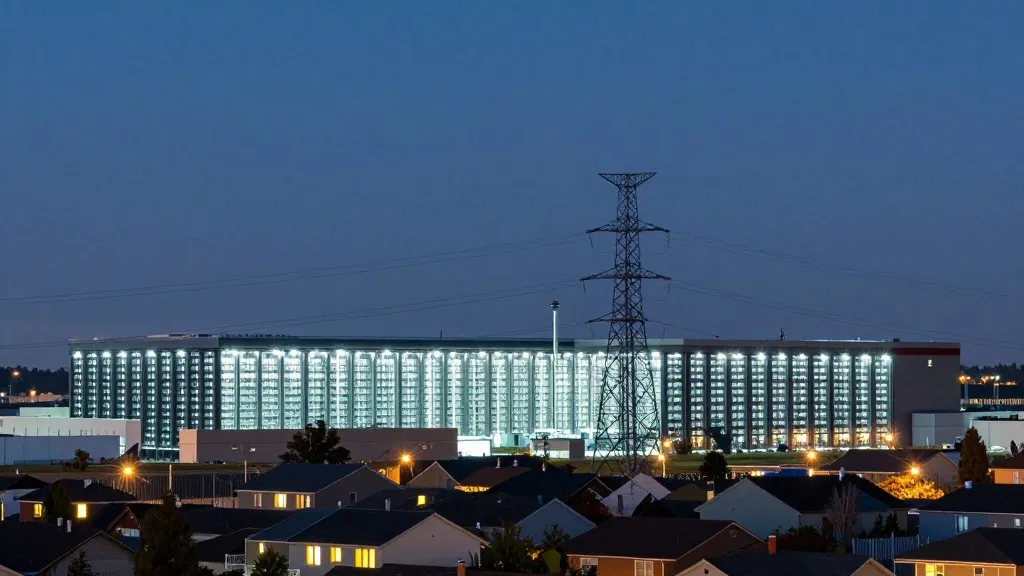
President Donald Trump has issued a directive calling for artificial intelligence data center builders and major cloud providers to pay financial dividends to local communities. The move is designed to offset rising energy prices or even reduce them, making the presence of these massive facilities more acceptable to nearby residents. In a recent post on Truth Social, the President outlined the expectations for these companies, signaling a shift in how the administration views the relationship between tech infrastructure and local neighborhoods.
The core of the proposal is a mandate for data centers to not only generate their own electricity but also to return excess energy to the grid used by local households. Trump warned that these facilities should give or sell back surplus power to prevent cost increases for residents. This approach aligns with previous statements from the administration, which insisted that large data centers take responsibility for their own power generation rather than relying solely on the existing public grid.
Local opposition to AI data centers has grown significantly across the United States. Residents in small communities have frequently protested against these projects, citing a range of negative impacts. These include sharp increases in electricity bills, persistent noise pollution, water shortages, air quality issues, and deforestation. The administration is keen to maintain its lead in the global AI race against China while simultaneously winning back favor by ensuring these facilities contribute to the well-being of the affected areas.
The administration argues that a financial deal can transform unpopular projects into popular ones. Trump noted in his post that data centers which were previously disliked in certain areas have become well-liked once a financial agreement was reached. He urged stakeholders to make deals and get the facilities built, emphasizing the need for swift progress. The recently passed legislation already requires data centers to cover the costs of grid upgrades, preventing these expenses from being passed on to local taxpayers.
However, the practical implementation of this energy dividend remains unclear. While the intent is to alleviate the burden of rising electricity costs, the mechanism for distributing these benefits has not been fully detailed. The plan assumes that excess electricity from on-site generation will be sufficient to lower local bills. This relies on the assumption that the power infrastructure installed by these companies is efficient and compatible with local needs, a point that may be open to debate given the current state of short-term power solutions.
Critics and observers have raised questions about the term dividend in this context. Traditionally, companies pay dividends only when they are profitable. New data center builds often face significant initial construction costs and may not be profitable for some time. This creates a potential disconnect between the financial reality of the operators and the promises made to the public. The economic aspect is only one facet of the broader issues surrounding these facilities.
Beyond energy costs, data centers continue to face challenges regarding water consumption, ecological damage, and pollution. These factors remain major hurdles that make the facilities a difficult sell for many communities. Even if the energy dividend successfully lowers utility bills, it may not address the other environmental and quality of life concerns that drive local resistance. The administration hopes that the financial incentive will be enough to smooth over these remaining friction points.
The strategy represents a broader effort to balance national technological ambitions with local community interests. By framing the energy surplus as a benefit to residents, the administration aims to create a model where the costs of AI expansion are shared more equitably. Whether this approach will gain traction with skeptical residents and industry leaders will depend on the specifics of the deals struck in the coming months. The next phase of construction will serve as a test case for this new policy direction.
Source: Tom's Hardware · original report published