Apple's iPod Marked 25 Years
The pocket-sized music player that changed how the world listens to audio turns a quarter-century old today.
By Neha Delgado ·
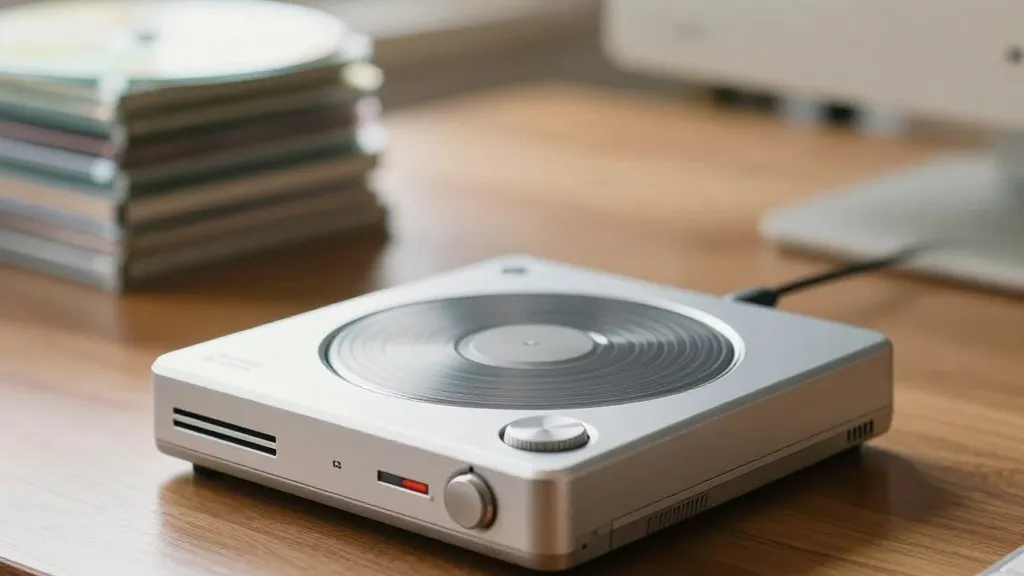
The original Apple iPod turns 25 years old today, marking a milestone for the device that defined a generation of portable audio.
On this day in 2001, Steve Jobs introduced the gadget as a breakthrough digital device that was not a Mac. The product launched with a price tag of $399 and a core promise: it could hold a user's entire music library in their pocket. The device featured 5GB of storage, which allowed it to store approximately 1,000 songs. Specifically, this capacity accommodated 1,000 typical pop songs encoded as MP3s at 160Kbps. Jobs described this as the entire library for most people, positioning the device as a major market entry point for Apple.
At the time of the launch, Apple had already recovered from the dot-com bubble burst, with products like the iMac and iBook gaining popularity. Jobs envisioned the Mac as the central hub for a digital lifestyle, connecting various devices including cameras and DVD players. While competitors like Sony and Creative already offered portable players, Jobs argued that none had found the right recipe for digital music. Apple chose a hard disk-based approach over flash memory or CD players to maximize storage in a small form factor.
The hardware design was a key differentiator, relying on a 1.8-inch hard drive from Toshiba that was only 0.2 inches thick. This allowed the device to be the size of a deck of cards, measuring 2.4 by 4 by 0.78 inches and weighing just 6.5 ounces. It was marketed as lighter than most cell phones of the era. The player also offered 10 hours of continuous playback on a rechargeable lithium-polymer battery, which could be recharged to 80 percent in one hour.
Functionality was highlighted through its use of FireWire 400 for data transfer and charging. Jobs claimed this connection was fast enough to transfer an entire CD in five to 10 seconds, compared to about five minutes for USB connections. Filling the device with 1,000 songs would take roughly 10 minutes, a significant improvement over the five hours required for USB-based players. The interface featured a single-hand friendly scroll wheel with tactile feedback, designed for easy navigation by artist, playlist, or song. During the unveiling, the first song demoed on stage was 'Building a Mystery' by Sarah MacLachlan.
The launch coincided with the release of iTunes 2, which introduced features like MP3 CD burning and Auto-Sync. This ensured that music libraries curated on a Mac were always synchronized with the portable player during charging or transfer. The device also functioned as a FireWire hard disk drive. Although the iPod line eventually faded with the rise of the iPhone in 2007, the original device remains a landmark in consumer electronics history.
The product line continued for nearly two decades, with the final model, the 7th-generation iPod Touch, released in May 2019. While the line was left unmaintained for a time, it was officially discontinued in May 2022. Today, the 25th anniversary serves as a reminder of the era when dedicated music players were the essential gadget for on-the-go entertainment.
Source: Tom's Hardware · original report published