UK Retail Prices: Inflation Surges to 2.1% as Costs Bite
Shop price inflation jumps sharply from September levels as retailers pass on higher energy and ingredient costs ahead of the new budget.
By Neha Delgado ·
Shop price inflation in the United Kingdom reached 2.1% in October, marking the highest level in two and a half years. The British Retail Consortium (BRC) reported this figure on Monday, noting a sharp increase from the 1.4% recorded in September. The trade group stated that retailers can no longer hold back price rises for customers.
The BRC attributed the jump to higher energy and food ingredient costs that have accumulated since the conflict in the Middle East began. Food inflation rose to 2.9% from 2.5% in September, while non-food inflation more than doubled from 0.8% to 1.7%. These categories include items such as clothing and footwear.
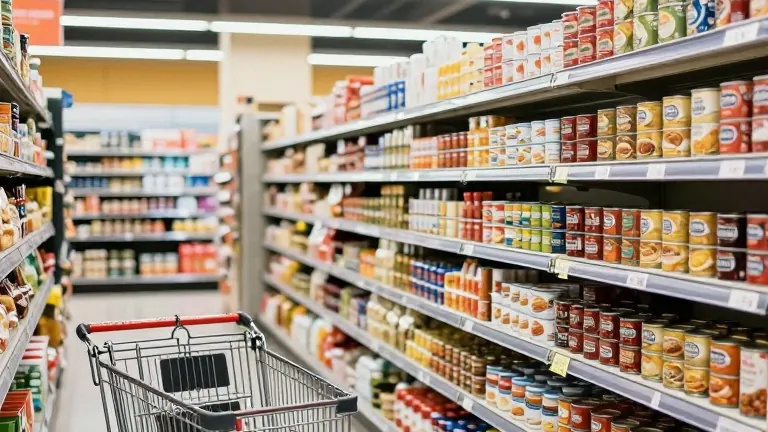
Helen Dickinson, the chief executive of the BRC, described the situation as a breaking point for retailers. She said the dam is starting to break on the huge wave of costs retailers have absorbed over the last two years. Dickinson noted that although heavy discounting was applied to draw shoppers before Halloween, supermarkets could no longer stop the prices of tinned and packaged goods from rising.
The rise in retail prices adds pressure on Chancellor John Healey, who is scheduled to deliver his first budget on Wednesday. Brent crude oil recently reached $117 a barrel, a level far above the average of about $70 seen in the months before the US and Israel attacked Iran in February. UK consumer prices stood at 3.5% last month, and gas prices have also jumped.
Until recently, retailers largely absorbed higher raw material costs due to weak customer demand. Consumer confidence has fallen sharply since the summer, when it became clearer that the Middle East conflict was unlikely to end quickly. Bank of England officials are expected to raise interest rates next week from 3.75% to 4%. If retail price rises continue, many members of the monetary policy committee are likely to favor further increases in December or early next year.
A separate report by Ruth Patrick, a professor of social and public policy at the University of Glasgow, examines the impact on low-income families. Patrick leads Changing Realities, an online project tracking 100 low-income families. In the past month, 73% of participants had shopped in the reduced-items aisle, while 63% had left the heating off despite being cold. Petrol is above £1.75 a litre in many places, and diesel often exceeds £2.
Patrick argued that help from governments and local authorities has not matched the scale of the problem. She called for long-term steps to ensure social security is adequate, including restoring the real value of child benefit. The report draws on in-depth interviews with 70 participants, 67 of whom described steps they had taken to cut costs.
Source: The Guardian
More Business · World news · Unethical Practices · Report a business · Got a Story?