Cybertruck Cancellation: Australia and New Zealand Left on the Sidelines
Tesla voids nearly seven years of customer deposits in the region, citing the logistical and financial hurdles of converting the electric pickup for right-hand-drive markets.
By Neha Delgado ·
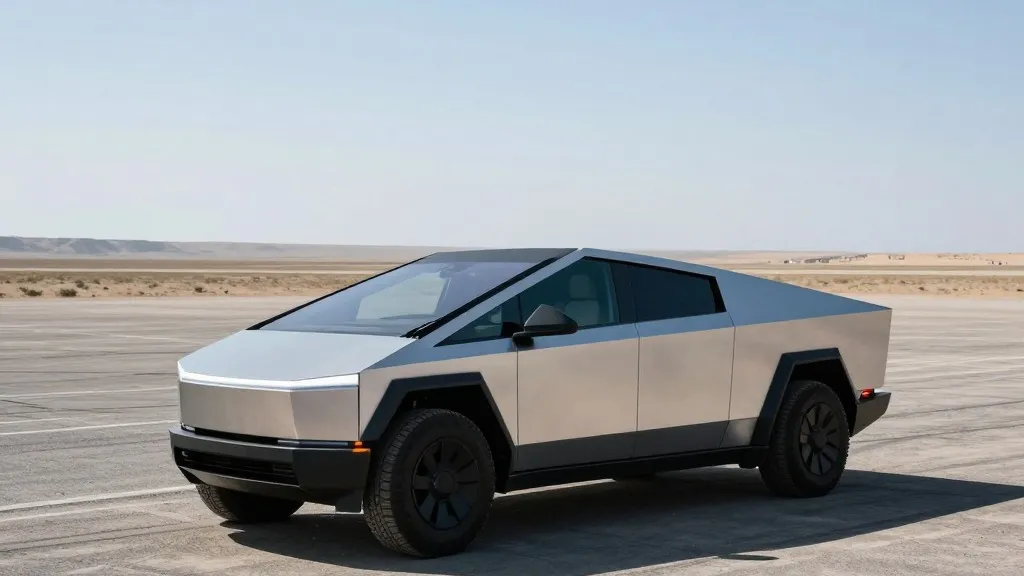
For nearly seven years, customers in Australia and New Zealand have held onto the hope of owning Tesla’s most polarizing vehicle, only to receive a stark reality check today. The electric giant has officially terminated its plans to bring the Cybertruck to the region, sending emails to reservation holders that confirm their orders are void and their deposits are being refunded. The move ends a long period of uncertainty for thousands of buyers who were told the truck was coming, but who have now been left waiting for a product that will no longer be built for their local roads.
The cancellation follows a quiet withdrawal that began in May 2022, when Tesla closed the Australian reservation page and replaced it with a generic update button. At the time, the company did not process refunds, leaving customers in a limbo where their money was tied up in a product that seemed perpetually on the horizon. In 2024, CEO Elon Musk told shareholders that certification for other markets might happen "sometime next year," a promise that ultimately proved empty as the calendar turned without any new announcements.
The core issue is mechanical and logistical: the Cybertruck is currently manufactured exclusively in left-hand drive. Markets like Australia, New Zealand, Japan, and the UK require right-hand-drive vehicles, a conversion that requires significant engineering and certification under local design rules. Tesla’s recent international launches in South Korea, the UAE, Saudi Arabia, Qatar, Jordan, and Israel all share this left-hand-drive trait, while the truck remains blocked in the European Union due to pedestrian safety concerns.
Financially, the numbers suggest the investment in a right-hand-drive program is difficult to justify. In Q3 2026, Tesla delivered just 8,295 "Other Models," a category that now primarily consists of Cybertrucks since the Model S and Model X ended production. Estimates place Cybertruck sales in the 7,000 to 8,000 unit range for the quarter, equating to an annual pace of roughly 30,000 units. This is significantly below the production line’s capacity of 250,000 units, making the cost of re-engineering for two markets with a combined population of 33 million people a tough sell for corporate finance.
Reservation holders who started with a A$150 deposit in November 2019 are now being offered a full refund within 30 days. To sweeten the deal, Tesla is providing a free one-year subscription to its FSD (Supervised) software for those who switch their orders to a Model 3 or Model Y, effectively attempting to convert a dead pickup truck reservation into a sale of a vehicle it already manufactures in right-hand drive.
The timing of the announcement, just one day after Tesla reported its Q3 2026 earnings, underscores the strategic shift. While Australia was once considered a significant market, with crowdsourced data suggesting it held about 3% of all reservations by 2020, the truck’s domestic sales in North America have cooled from approximately 39,000 units in 2024 to a fraction of that today. Many analysts suggest the vehicle is becoming a niche, mostly American product, with international expansion focused solely on finding buyers for existing left-hand-drive inventory rather than investing in new regional variants.
For the customers, the news is a bittersweet end to a long wait. While some may have already canceled their pre-orders due to price increases and reduced range compared to initial promises, the formal cancellation confirms that the "next year" promise has finally run its course. The decision reflects a broader corporate strategy to prioritize volume and efficiency over niche market customization, leaving the Cybertruck’s Australian and New Zealand dreams officially in the rearview mirror.
Source: Electrek · original report published
More Business · Unethical Practices · Report a business · Got a Story?