Turnout Push and Internal Polls Drive Likud Split Before Vote
Party insiders disagree on the outcome of Tuesday's election, citing aggressive grassroots efforts by opposition groups and a lack of consensus among right-wing factions.
By Karan Meyer ·
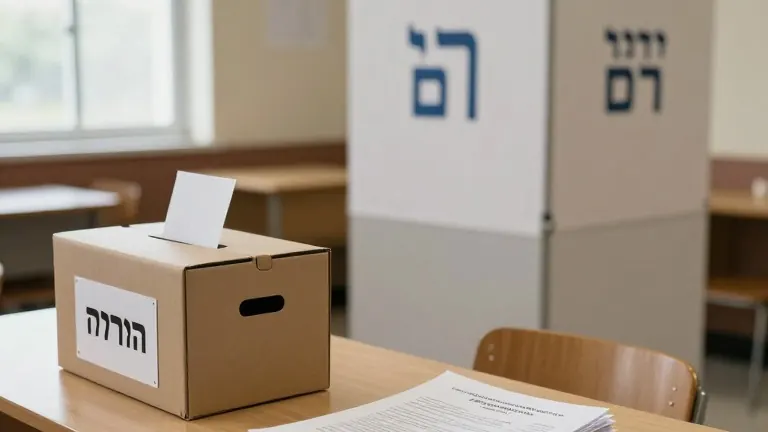
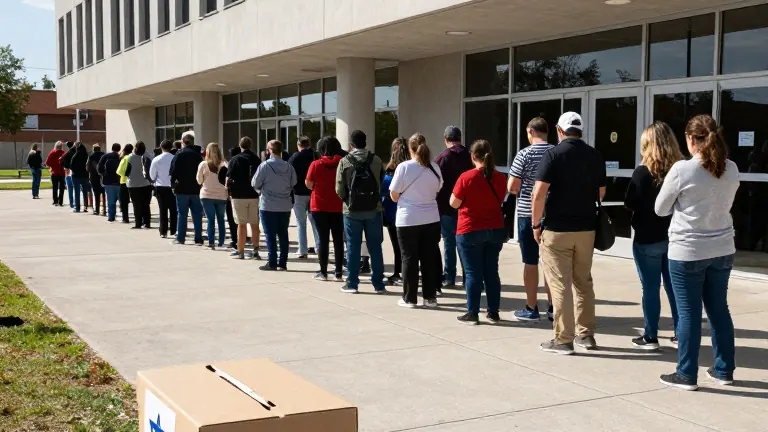
Israeli voters cast their ballots on Tuesday, October 27, while Likud members debate the prime minister's chances. Internal party sources describe a sharp divide. Some officials express confidence in a win, while others worry about a surge in opposition turnout.
The split centers on internal polling data led by Shlomo Filber, the party's pollster. A Likud source noted that the results create uncertainty, stating, "Either Momo comes out a king, or Momo goes home. It's one or the other." The source added that some members are very sure of themselves, while others are less so.
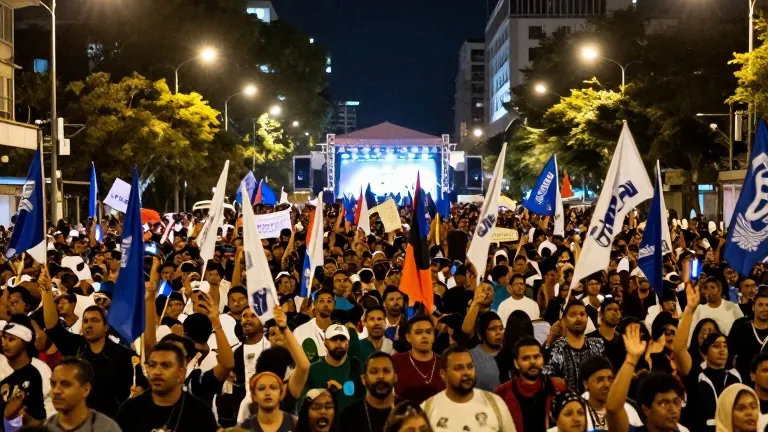
Concerns focus on a coordinated effort by nonprofits and organizations supporting candidates opposed to Prime Minister Benjamin Netanyahu. Party sources claim these groups spent large sums on social media, signage, and field events. The campaign included rides for Arab voters and efforts to bring Israelis living abroad home to vote. One Likud official called the activity the "nonprofits affair on steroids," arguing the groups operate outside standard party-financing rules.
Likud officials also criticized the Central Elections Committee. The party claimed the committee focused heavily on enforcing limits for campaign videos and public resource use. They argued it paid too little attention to the work of these outside organizations, though sources did not provide documentation for the funding amounts or the claim that the activity was illegal.
In preparation for the vote, Likud launched a large ground operation. The party aimed to keep right-wing votes from drifting to smaller slates, despite restrictions on obtaining information from polling stations. Likud failed to convince Brig.-Gen. (res.) Ofer Winter, the former commander of the Givati Brigade, to drop out of the race. Winter leads the People of Israel party. Talks involved Rabbi Eli Sadan, who later issued a statement supporting Winter. Likud also sought backing from other right-wing lists, including the joint ticket of Yoaz Hendel and Yaron Zelekha. Rabbi Abergel's Ahi party withdrew from the race following discussions with Likud, during which the possibility of legislation allowing the party to name a deputy minister was raised.
The election date of October 27 allows Netanyahu's government to serve out its full term. A survey published days before the vote found that nearly one-third of Israeli voters remained undecided.
Source: The Jerusalem Post
More Politics · World news · Report a business · Got a Story?