Nvidia CEO Ignites Holiday Rush With Cute Microduck Robots
Viral footage of Jensen Huang interacting with small AI-powered ducks has driven preorders past 20,000 units just in time for the holidays.
By Neha Delgado ·
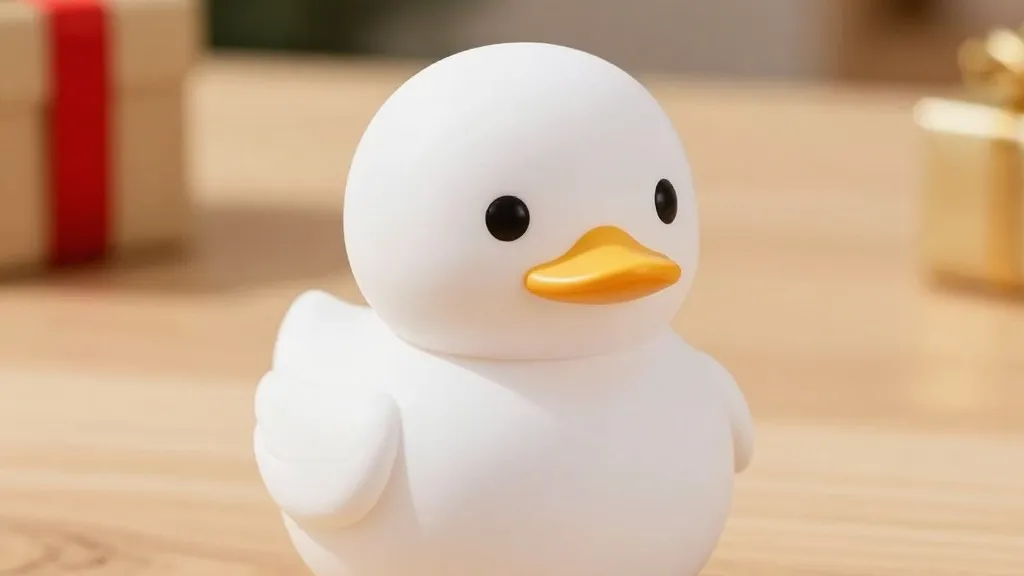
A small, waddling robot has captured the imagination of tech enthusiasts worldwide.
The surge in popularity began when a video from the GTC Berlin conference circulated on social media. The clip featured Nvidia CEO Jensen Huang interacting with a group of Microducks. These small robots were seen stomping their feet and emitting high-pitched beeps reminiscent of the droid from Star Wars. On command, the devices performed somersaults and even simulated sleeping by falling over. The charming display quickly went viral, turning the devices into a sensation within the tech community.
The immediate impact on sales was significant. By the day following the keynote, preorders for the Microducks had exceeded 20,000 units. Clem Delangue, the CEO of Hugging Face, confirmed this figure in a public post. Given the timing, these robots are on track to arrive before Christmas. This suggests they could become one of the most popular gifts of the holiday season. Delangue has expressed the view that the Microducks might finish as the best-selling robot of the year. He also noted that the appeal is not limited to children, as promotional material shows adults enjoying the devices as well.
The Microducks are the product of a recent corporate consolidation in the artificial intelligence space. They are open source devices created by Pollen Robotics. That company was acquired by Hugging Face in 2025. In September of this year, Nvidia purchased Hugging Face, making the Microducks part of the Nvidia portfolio. This is the second robot developed under the Hugging Face banner, following the Reachy Mini. The acquisition highlights the growing intersection of hardware and software in the current tech landscape.
From a technical standpoint, the robots rely on Nvidia’s technology stack for their core functionality. During development, simulations of the Microducks were taught basic movements. These include walking, sitting, and standing. These pre-trained tricks are included when the devices ship to customers. The system is designed to be flexible for end users. Pollen Robotics states that owners can teach their specific robots new behaviors. Furthermore, the community aspect of the product allows users to share their custom-trained tricks with others. This openness is a key feature for the developer crowd who prefer customizable hardware.
The timing of this viral moment is notable for the industry. It comes during a week marked by serious concerns about artificial intelligence. Several high-profile cyberattacks have been attributed to AI involvement, creating a tense atmosphere in the sector. The industry is grappling with the potential risks of these powerful tools. In that context, the lighthearted nature of the Microduck video offers a stark contrast. It serves as a reminder that the technology can be approachable and enjoyable, not just complex and potentially dangerous.
For many observers, the video provides a welcome break from the heavier news dominating headlines. The appeal of the Microducks lies in their simplicity and charm. They do not require deep technical knowledge to appreciate. Watching the CEO play with them lowers the barrier to entry for the general public. This accessibility is likely a major driver of the high preorder numbers. The devices bridge the gap between a serious tech company and a consumer product.
As the holiday season approaches, the Microducks may define the trend for robotic toys. The combination of viral marketing and genuine product appeal has created a strong momentum. The fact that the CEO was personally involved in the demonstration added a layer of authenticity to the promotion. It signaled that the company is proud of the hardware. Whether or not it becomes the best-selling robot of the year remains to be seen. However, with over 20,000 preorders already secured, the path to success is clear.
The success of the Microducks also reflects a broader shift in how consumers view AI hardware. People are increasingly comfortable with robots that have personality and interactive capabilities. The open source nature of the device invites tinkering and customization. This appeals to hobbyists and developers who want more than a fixed product. The community sharing feature extends the lifecycle of the device beyond its initial launch. It turns a simple toy into a platform for creativity.
In the end, the story of the Microducks is one of unexpected joy in a high-stakes industry. It demonstrates that technology does not always have to be intimidating to be impressive. The cute factor played a crucial role in driving sales. The technical underpinnings provide the depth for enthusiasts. This dual appeal ensures that the robots will resonate with a wide audience. As deliveries begin to arrive, the holiday season may look very different this year, with waddling robots joining the list of traditional gifts.
Source: TechCrunch · original report published