NASA Reshapes Moon Landing Strategy to Hit 2028 Target
The space agency has overhauled its lunar architecture, shifting critical docking maneuvers to Earth orbit and eliminating complex refueling steps for Blue Origin to ensure timely crewed missions.
By Chloe Phillips ·
NASA faces a critical juncture in its effort to return humans to the Moon, a goal that has long been threatened by technical complexities and shifting vendor requirements. To address these challenges, the agency has officially revised its mission architecture, making significant changes to how spacecraft will interact in space. These updates, detailed in a news conference on Friday, mark the first time NASA has publicly laid out this specific technical roadmap. The primary objective is to secure a viable path for astronauts to land on the lunar surface as early as 2028, a timeline that had previously seemed precarious due to unresolved engineering hurdles.
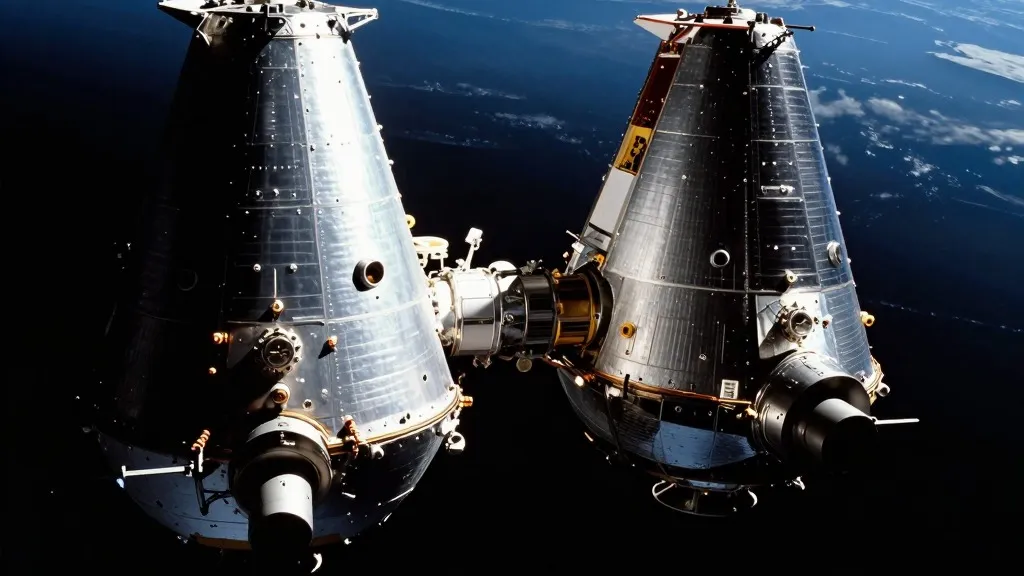
The most consequential change involves the SpaceX Starship vehicle, which is slated to serve as a lunar lander. Under the new plan, the Orion spacecraft will now dock with the Starship in high Earth orbit before the combined vehicles travel to the Moon. This is a departure from earlier concepts that envisioned more complex maneuvers closer to the lunar surface. By moving the docking procedure to a location closer to Earth, NASA simplifies the logistics and reduces the energy required for the mission. This adjustment directly addresses concerns raised by SpaceX engineers regarding the difficulty of previous orbital configurations.
The agency has also restructured the approach for Blue Origin, another key partner in the Artemis program. The revised architecture for Blue Origin’s involvement includes four launches of the New Glenn rocket. Crucially, this new plan eliminates the requirement for spacecraft to perform refueling operations in space. Removing the need for in-space propellant transfers removes a layer of significant technical risk and complexity. Additionally, the updated Blue Origin strategy allows for the possibility of its Blue Moon lander rendezvousing with Orion in low lunar orbit, providing greater flexibility in how the mission is executed.
NASA Administrator Jared Isaacman emphasized the agency's confidence in this updated trajectory. He stated that the path forward is achievable and that the agency possesses the necessary mandate, resources, and stakeholder support to execute the plan. Isaacman noted that the leadership team has conducted a thorough review of every element of the program to identify areas where changes could help the lunar lander companies accelerate their efforts. This proactive approach aims to remove bottlenecks that have historically slowed progress in the Artemis program.
The timeline for the initial steps of this revised strategy remains largely unchanged. NASA officials indicated that they still anticipate launching the Artemis III mission by the summer of 2027. This mission will serve as a critical demonstration, involving docking operations with both the Blue Moon and Starship vehicles near Earth. Following this test, the agency is tracking toward a 2028 launch for Artemis IV, which is the mission that will actually place astronauts on the lunar surface. These dates are central to the agency's public commitment to restoring a human presence on the Moon.
The shift in strategy for SpaceX is rooted in specific engineering feedback provided during meetings in early 2026. SpaceX engineers had requested the removal of a requirement to dock with Orion in a near-rectilinear halo orbit around the Moon. This particular orbit was considered problematic because it required more energy to reach and presented other associated difficulties. The resolution of this issue was facilitated by NASA's earlier decision to cancel the Lunar Gateway program later in the year, which inadvertently solved the orbital docking problem for SpaceX by simplifying the overall mission design.
The announcement represents a consolidation of previously reported information, but it carries new weight because it is now an official agency position rather than a series of rumors or preliminary reports. By acknowledging substantial changes in the architecture, NASA is signaling a willingness to adapt to the realities of current commercial spaceflight capabilities. This transparency is intended to reassure the public and the private sector partners that the agency is actively managing the risks associated with returning to deep space.
The success of these new plans will depend on the ability of both SpaceX and Blue Origin to meet their development milestones within the compressed timeline. The removal of complex in-space operations is a significant advantage, but it places greater emphasis on the reliability of the launch vehicles and the landers themselves. As the agency moves forward with these revisions, the focus will remain on executing the 2027 demonstration mission and preparing for the 2028 surface landing, ensuring that the technical foundations are solid before astronauts make the final descent to the lunar regolith.
Source: Ars Technica · original report published