Data Center Disputes: Midterm Races Face New Financial Pressure
Super PACs backed by tech executives have deployed hundreds of millions of dollars to influence elections in five states where voters are demanding stricter regulations.
By Karan Meyer ·
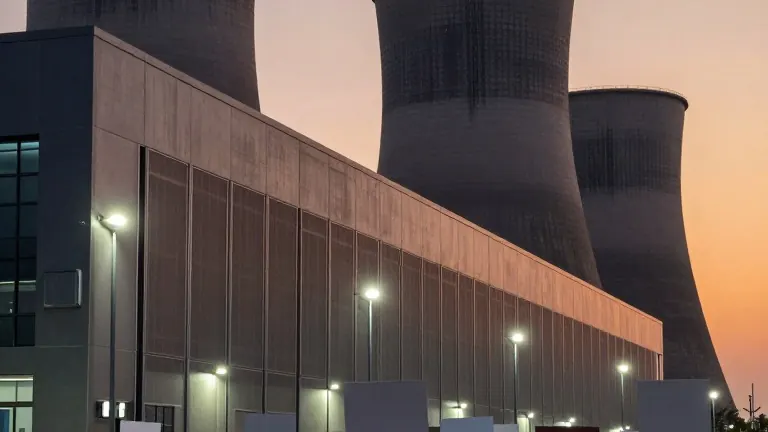
Voters in five states are forcing candidates to take hard positions on massive server facilities. The rapid construction of data centers has become a primary issue in 2026 congressional and gubernatorial campaigns. Candidates who previously supported these projects are now distancing themselves to win local elections.
Tech money is fueling the debate. Leading the Future, a super PAC backed by Marc Andreessen and Greg Brockman, has spent $45 million in one year. Public First Action, backed by Anthropic, has raised $80 million. A newer group, Tomorrow Together, launched $4 million in ads for House races. These groups fund candidates from both parties.
Texas leads the charge with the second-highest number of planned projects in the nation. State Representative James Talarico unveiled a plan in July to end sales tax incentives. He also proposed a tax on AI profits to fund a dividend for Americans. Attorney General Ken Paxton released his plan in August. He wants to ban Chinese technology in US data centers and hold companies criminally liable for AI safety failures.
The Texas gubernatorial race features a clash over consistency. Governor Greg Abbott celebrated a $40 billion Google investment last year. In August 2026, he announced an audit that could slow new grid connections. Challenger Gina Hinojosa called Abbott a flip-flopper. She stated that the arsonist cannot put out the fire.
Florida candidates offer different solutions to the same problem. Democrat David Jolly pledged a one-year ban on hyperscale data centers on day one. Republican Byron Donalds introduced the Protecting Ratepayers Act in July. This bill requires developers to fund their own energy and water costs. An October poll showed 45 percent of likely voters oppose data centers in the state.
In Pennsylvania, both gubernatorial candidates have shifted their rhetoric. Governor Josh Shapiro signed an executive order in August to ban nondisclosure agreements for developers. He removed AI projects from the fast-track permitting process. Treasurer Stacy Garrity previously called rural areas perfect for these sites. She now supports a pause on development for up to three years.
Ohio’s Senate race centers on incumbent Jon Husted. Democrat Sherrod Brown labels Husted the face of data centers. A leaked memo from the National Republican Senatorial Committee warned that data centers are an anchor around Husted's neck. The group noted that losing this seat could change how politicians nationwide view new projects. Husted’s Ratepayer Protection Act passed the House but failed in the Senate.
Polling data reflects the growing skepticism. In Pennsylvania, 64 percent of likely voters believe AI data centers will do more harm than good. In Ohio, a RealClearPolling average shows Brown with a slight edge over Husted. The Cook Political Report rates the Ohio race a toss-up and the Texas governor's race as leaning Republican.
Source: The Verge