36 EVs Caught Fire After Hurricane Ian
NFPA warns that saltwater damage to electric vehicle batteries can cause fires hours, days, or even weeks after coastal flooding recedes in South Florida.
By Karan Meyer ·
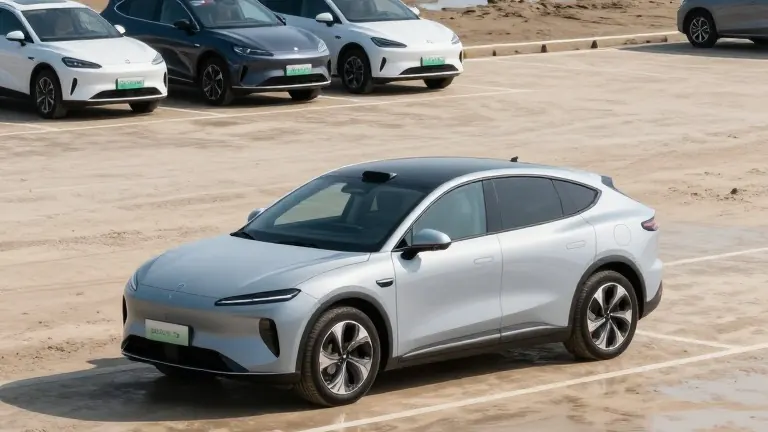
Electric vehicle owners in South Florida face a delayed fire risk after coastal flooding, according to the National Fire Protection Association. The agency warns that saltwater can penetrate the high-voltage battery pack, creating internal connections that lead to short circuits and self-heating. This process, known as thermal runaway, can generate uncontrolled heat, gas emissions, and explosions.
The danger is not immediate. A vehicle may appear undamaged once the water recedes, but the NFPA states there is no specific time limit for a thermal reaction to occur. The event could happen hours, days, or weeks after the vehicle was submerged.
Data from Hurricane Ian in 2022 illustrates the scale of the issue. The National Highway Traffic Safety Administration estimated that 3,000 to 5,000 electric vehicles were affected by saltwater immersion during that storm. Of those, 600 were declared total losses, and 36 caught fire.
Although fewer than 1% of the exposed vehicles burned, the NFPA notes that extinguishing a lithium-ion battery fire is particularly difficult. The agency recommends treating any submerged electric vehicle as if it were in an accident.
Drivers should not enter, start, or drive a vehicle that has been underwater. Instead, the vehicle must be transported by tow truck. Owners should keep the car at least 50 feet away from other vehicles or combustible objects and avoid storing it in enclosed spaces.
Warning signs include hissing or cracking sounds, bubbling or gurgling noises, unusual odors, and visible smoke. If any of these symptoms appear, the NFPA advises calling the local fire department to investigate the vehicle.
Prevention remains the best strategy. The NFPA recommends moving electric vehicles out of flood-prone areas if coastal flooding is anticipated and there is time to do so safely. Drivers of all vehicle types should avoid driving through flooded roads.
This guidance is especially relevant in low-lying areas of South Florida, which are susceptible to high-tide flooding. The salt in the water accelerates corrosion within the battery system, compounding the electrical risks.
Owners should monitor their vehicles for abnormal behavior even if no immediate damage is visible. The effects of salt and corrosion can persist long after the water has disappeared from the street or parking lot.
Emergency services should be contacted if any unusual signs are detected. Keeping the vehicle isolated and away from other assets reduces the risk of a secondary fire spreading to neighboring property.
Source: WSCV