Wells Accepts Chaney Amendments as Digital Duty of Care Bill Heads to Senate
The legislation passed the House of Representatives on Wednesday and awaits Senate debate before the end of the year.
By Karan Meyer ·
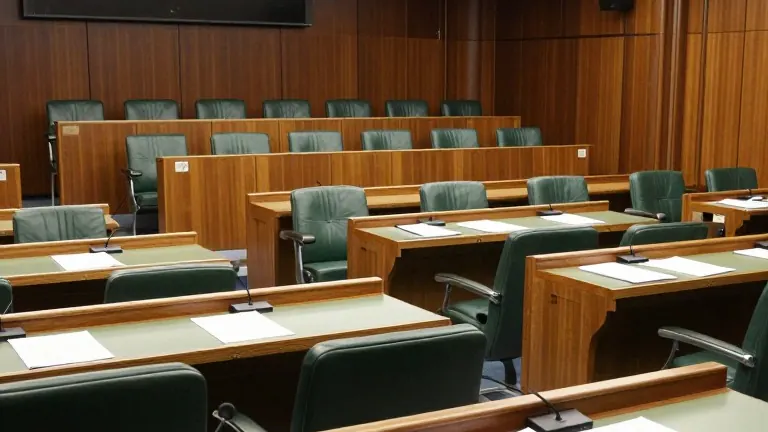
The Australian government has accepted amendments to its digital duty of care bill that would bar AI chatbots from simulating emotional intimacy with children, and the legislation passed the House of Representatives on Wednesday. Debate in the Senate is scheduled for coming weeks, with the government targeting passage by the end of 2026.
Communications Minister Anika Wells said the measure would place an overarching obligation on technology platforms to provide a safe online environment for all Australians. The framework would apply new safety standards to social media, games, apps and chatbots, and would replace existing online codes with a requirement to protect users from specified harmful content. Wells has said the laws would capture content promoting misogyny, terrorism, suicide, self-harm and eating disorders.
Crossbencher Kate Chaney proposed an amendment, accepted by Labor on Wednesday, requiring platforms to ban material or conduct that simulates emotional intimacy and encourages a child's dependence on it in place of human relationships. A second Chaney amendment accepted by the government requires algorithm opt-out features to be accessible, easy to use and prominently available on platforms.
In a speech Tuesday night, Prime Minister Anthony Albanese urged the Coalition to consider backing the bill. "The stories we hear about people identifying a chatbot, a non person as their best friend, should be a huge wake up call for every member of this Parliament to be prepared to act," he said.
The opposition voted against the bill in the House alongside One Nation. Political opponents have described the framework as an Orwellian system of censorship and accused Labor of seeking to influence online conversations. Wells rejected those claims. "If they really care, the test is simple here, they should bring an amendment, not a slogan to 'kill the bill'," Wells told ABC radio on Wednesday.
The Greens support the bill, while the Coalition has said it will not vote for it. Labor remains open to amendments. The Greens have established a Senate inquiry into the laws, which is due to report back in late November. Senator Sarah Hanson-Young supports a digital duty of care but wants stronger provisions. "Australians also need an external complaints pathway, free from the profit-driven whims of 'big tech's' content moderation," she said.
Independent MP Sophie Scamps proposed expanding the remit of the telecommunications industry ombudsman to cover big tech. Labor did not accept that amendment in the lower house, and Wells declined to voice support for it, though the Greens plan to pursue the idea in Senate negotiations. Cynthia Gebert, the telecommunications industry ombudsman, said her office could take on such a role, noting the model is funded by the industries it regulates. "[The telecommunications industry ombudsman] can help with your Telstra account, but we can't help with your Gmail account," Gebert said. "We want to help but don't have the powers to do so now."
Source: The Guardian