Prenatal wildfire smoke tied to 30 percent jump in autism diagnoses
A JAMA Pediatrics analysis of 900,000 Medicaid records finds the risk rises sharply after the 15th week of pregnancy.
By Karan Meyer ·
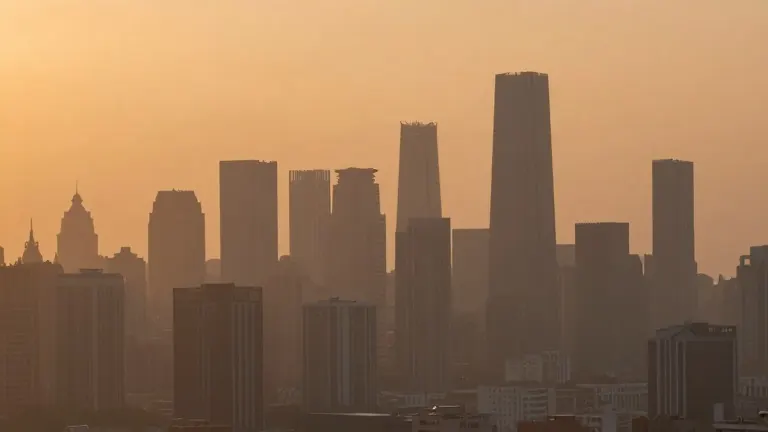
For every 0.75-microgram-per-cubic-meter rise in wildfire smoke particles, the odds of a child receiving an autism diagnosis climbed by 30 percent. That is the central finding of a study published Tuesday in JAMA Pediatrics, which links air pollution during pregnancy to neurodevelopmental outcomes.
The research team analyzed Medicaid data from nearly 900,000 mother-child pairs enrolled between 2007 and 2014. They focused on fine particulate matter, or PM2.5, which consists of particles no wider than 2.5 micrometers. By comparison, a human hair measures 80 to 100 micrometers across. The study found the strongest association with autism occurred after the 15th week of pregnancy.
Lead author Dr. Stefania Papatheodorou, an epidemiologist at the Rutgers School of Public Health, noted that smoke travels far from fire sources. "Wildfire smoke can travel far beyond the communities where fires are burning, and exposure may occur even when smoke is not visible," she said. She added that the middle and later stages of pregnancy may be critical windows for brain development when environmental factors could interfere with growth.
The findings carry weight for cities that do not typically associate themselves with wildfire risks. In July, Philadelphia and New York issued Code Purple advisories urging residents to stay indoors due to smoke from Canadian fires. The study suggests that even urban populations face exposure during extreme weather events.
The authors caution that the data is observational. The study identifies a correlation between wildfire particulate exposure and autism diagnoses but does not prove a direct causal link. The researchers did not find a similar association between prenatal wildfire smoke exposure and attention deficit disorder.
The analysis included only mother-child pairs who remained continuously enrolled in Medicaid during the study period. As wildfire activity has more than doubled in recent years, public health officials are monitoring how these environmental factors intersect with maternal and child health.
The study was published in JAMA Pediatrics on Tuesday. It provides a baseline for understanding how air quality metrics correlate with developmental diagnoses in large public health datasets.
Source: PhillyVoice