Phoenix woodcarver regains steady hands after brain surgery
Deep brain stimulation therapy restored Bill Daggett's ability to work, a method gerontologists compare to a cardiac pacemaker.
By Neha Delgado ·
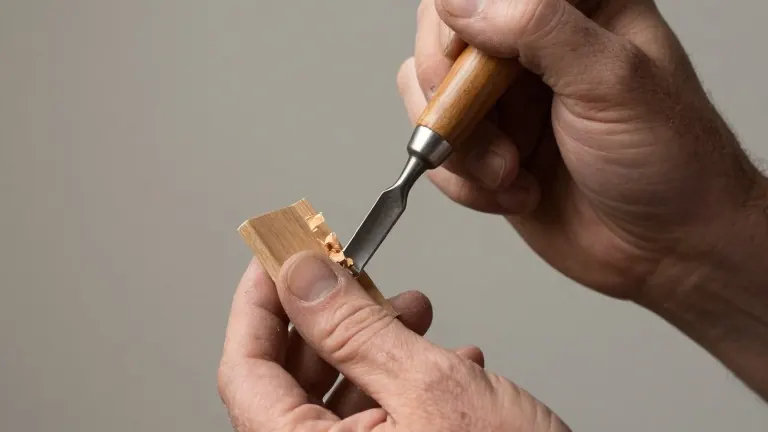
Bill Daggett can carve wood again. The Phoenix resident underwent deep brain stimulation surgery to treat Parkinson's disease, a condition that previously prevented him from holding a fork without severe tremors.
Daggett fell in love with woodcarving decades ago. His ability to practice the craft ended when tremors began. A doctor who saw him at an art show noticed the shaking and recommended a medical evaluation. The diagnosis was Parkinson's disease. Medication proved insufficient to manage his symptoms. He chose deep brain stimulation, a procedure that sends electrical pulses to the brain to stop tremors.
The surgery has stabilized his hands. He is now able to hold carving tools and work without the shaking that once defined his daily life. The procedure functions similarly to a heart pacemaker, but it targets the brain to reset electrical signals. Sam Cradduck, a gerontologist and host of Aging Untold, explained the mechanism. "What they did was basically give his brain a pacemaker," Cradduck said. "You know, we're kind of accustomed to the thought of a pacemaker helping a heart keep rhythm. But this is a new way to go in and help that brain reset and send those electrical pulses out to give the brain the pacemaker to now reduce those tremors, reduce some of the side effects of the disease and the progression of it."
Daggett described the physical toll of the disease before the surgery. "I couldn't even eat, hardly," he said. "I was shaking so bad, and I didn't want to go out anymore. That's part of the depression. You don't want to be seen when you can't hold a fork and get it to your mouth."
Cradduck noted that the therapy addresses the emotional impact of the disease. "We talk about the physical aspects of disease and aging all the time, but we forget to talk about the emotional loss, and that's where this guy was at," Cradduck said. "He was so connected with being the artist and being able to create, and the disease was robbing him of that. We see that it's robbing him of physical abilities maybe to eat, but we forget that it's robbing him of a piece of himself."
Cradduck labeled the therapy a "quality of life" breakthrough for patients who have lived with the disease for years. The procedure allows individuals to maintain their professional identities and daily functions. Daggett has returned to his studio and his craft.
Source: WWSB
More Business · Unethical Practices · Report a business · Got a Story?