New Zealand Election: 700,000 Special Votes Delay Final Results
The Electoral Commission estimates it will take 20 days to verify overseas and remote ballots after the November 7 vote.
By Karan Meyer ·
The Electoral Commission expects to process as many as 700,000 special votes in the upcoming election, a figure that dictates the timeline for final results. These votes are cast by individuals not on the electoral roll, those living overseas, or voters unable to reach a polling place. Because each declaration requires individual verification of eligibility, the commission projects a 20-day window to complete the necessary checks.
The voting process begins with advance votes counted before polls close on November 7. Ordinary votes cast on election day are tallied after 7 p.m. The commission aims to release 50% of preliminary results by 10 p.m. and 95% by 11:30 p.m. on that same day. The remaining time is reserved for the official count of special votes, which involves returning ballots to their specific electorate for verification.
All ballots are counted by hand by fully trained Electoral Commission staff, not volunteers. Candidates and parties may appoint scrutineers to witness the count. These observers can photograph certain records but are prohibited from touching voting materials or photographing voters. The official count is entered into New Zealand's Election Management System, a domestic platform that undergoes regular independent security testing.
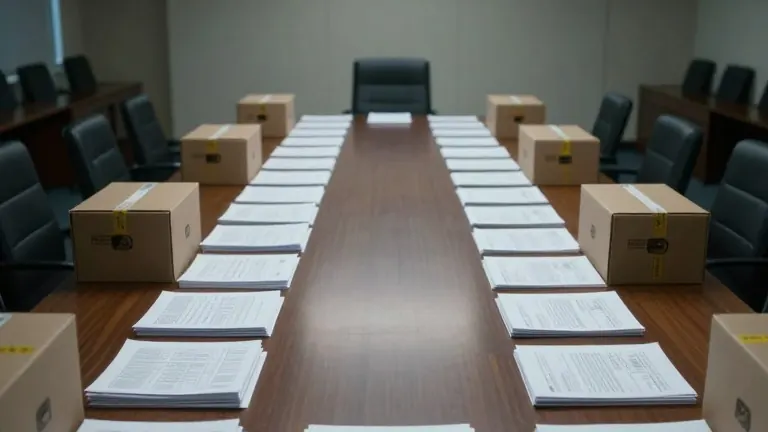
Following the count, voting papers are sealed in tamper-proof boxes and stored for six months. They are shredded and destroyed after this period, with Parliament and Electoral Commission representatives witnessing the process. If a candidate wishes to challenge the results, they may apply to a District Court judge for a recount within three working days of the official declaration. This application requires a deposit of $1,022.22. A recount is mandatory if an electorate results in a tie.
In the 2023 election, three judicial recounts occurred in Nelson, Mt Albert, and the Māori electorate Tamaki Makarau, though none changed the winner. For the 2026 election, enrolment ended on October 25, a change from the 2023 process where enrolment continued until election day. Chief Electoral Officer Karl Le Quesne previously noted that errors in the 2023 count, which did not affect seat allocation, were made by staff under pressure.
The commission stated its goal is to provide an impartial system that New Zealanders can understand and trust. The final results for the 2026 election are expected by Friday, November 27. The Chief Electoral Officer will declare the official count once the scrutiny of the roll is complete, a process that checks for any potential double voting.
Special votes from overseas may take longer to process due to mail times. The commission requires that every special vote declaration be checked to ensure the voter is enrolled and eligible. If a voter is found to have voted more than once, they are excluded from the final official count. The audit process follows the 2023 finding that late enrolments and special votes contributed to errors in the final result verification.
Source: The Star