New Tesla Roadster dashboard reveals pilot-style controls and track-focused data
A new video details the fighter-jet-inspired interface of the upcoming electric supercar, highlighting its unique layout and advanced telemetry for drivers.
By Chloe Phillips ·
For prospective buyers of the next-generation Tesla Roadster, the wait for visual details has ended with a clear look at the vehicle's digital cockpit. The new interface marks a significant shift from the familiar map-centric displays found in Tesla's other models, moving instead to a driver-focused layout that prioritizes vehicle performance over navigation. This change signals that the car is designed primarily as a high-performance machine rather than just another commuter vehicle, altering how ordinary consumers might view the brand's approach to its flagship model.
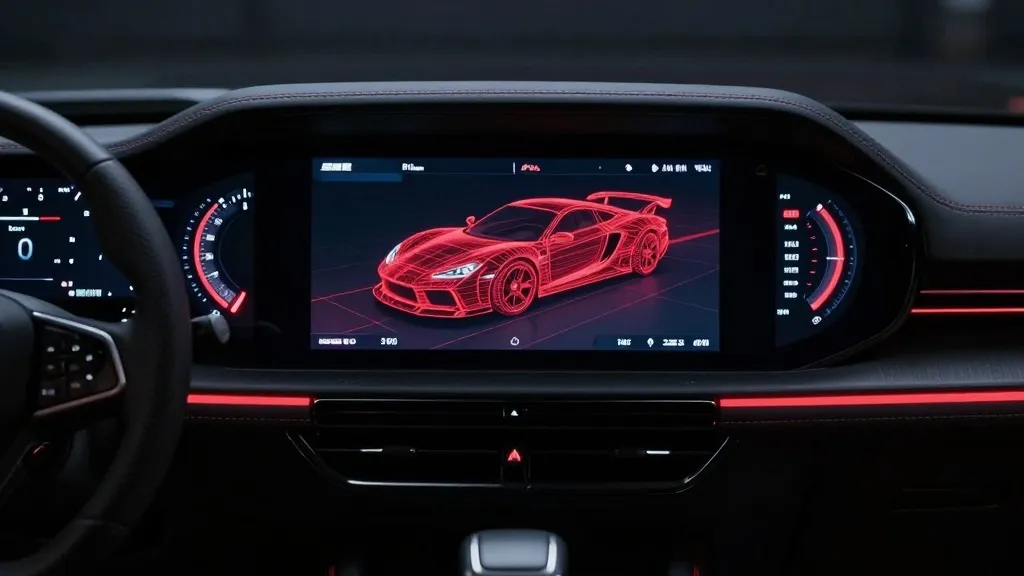
The new design philosophy is explicitly inspired by fighter jet cockpits, with the interface built around the concept of the driver as a pilot. In a 34-second video released on social media this week, Tesla demonstrated how the touchscreen functions. The home screen does not feature a map; instead, it centers a 3D wireframe of the car itself. Interacting with this model allows users to access specific controls, such as adjusting the rear wing for low drag or high downforce, as well as managing charging settings and a basic music player. Standard navigation tabs for home, vehicle, climate, and listening options remain at the bottom of the screen.
The majority of the demonstration focused on Track Mode, a feature that transforms the dashboard into a dense array of performance data. This view displays a live map of the circuit, session lap times, and critical mechanical metrics including brake and motor temperatures. It also provides individual readouts for tire pressure and temperature for each wheel. A dedicated setup page allows the driver to select specific aerodynamic modes, adjust the balance between aerodynamics and brakes, and completely disable stability and traction controls for maximum speed.
A key element of this software is its direct link to the car's hardware, specifically the cold gas thrusters introduced in the Thrust and Rocket variants. The dashboard features a status bar indicating the pressure of the thruster system, which operates at 5,500 PSI, alongside a 'Boost Ready' indicator. This software integration supports the hardware shown earlier this month near Waco, Texas, where Tesla revealed that these pressure vessels enable 0 to 60 mph acceleration times of under 0.9 seconds for the Thrust model and under 0.59 seconds for the Rocket version.
The base Performance version of the Roadster uses a different system for grip, relying on a fan and ground sealing technology rather than thrusters. The aerodynamic settings visible in the new interface align with the active wings and suction capabilities previously detailed in technical breakdowns of the car. This suggests that the digital controls are designed to manage the complex physics of the car's downforce generation, giving drivers precise control over how the vehicle interacts with the road surface.
The physical layout of the cabin also deviates from Tesla's current lineup. While the main touchscreen remains the central hub, the company's official materials indicate that two smaller forward-facing displays will be installed alongside it. This multi-screen setup is intended to keep essential data in the driver's immediate line of sight without requiring them to look away from the road, a critical safety and performance consideration for a car with such extreme acceleration capabilities.
Reactions to the interface suggest a move toward a more specialized driving experience, though Tesla has not confirmed whether any of this telemetry will be backported to more mainstream vehicles like the Model 3 Performance. The design choices reinforce the idea that the Roadster is a distinct product within the brand, catering to enthusiasts who value performance data and control over the general-purpose utility of other Tesla models.
Production of the Roadster is scheduled to begin in 2028, according to statements made by Elon Musk at the recent unveiling event. However, the interface and features may still undergo changes before deliveries begin. The highest-performance Rocket version is currently not approved for public road use, adding a layer of complexity for potential buyers who wish to experience the full extent of the thruster technology.
Reservations for the vehicle are open with a deposit of $50,000. The Thrust version is listed as a limited release, while the Rocket model is invite-only, creating a tiered access system for customers. For those eager to see the car in person, the first public opportunity is arriving this weekend. The Roadster will be on display in the lobby of the Petersen Automotive Museum in Los Angeles from October 24 to 27, offering the first chance for the public to view the vehicle up close before it enters production.
Source: Teslarati · original report published