Cancer Care: Personalized mRNA Vaccine Delivers Significant Survival Boost
A late-stage trial shows that a customized mRNA vaccine for melanoma reduced the risk of death or recurrence by 42 percent when used alongside standard therapy.
By Karan Meyer ·
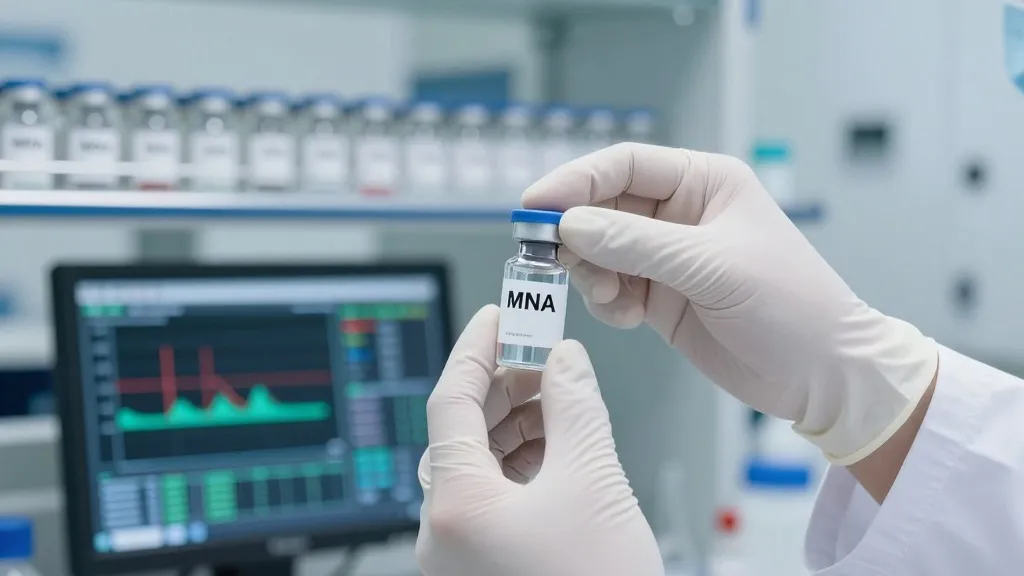
The race to make cancer treatment as personalized as possible just reached a critical milestone. On Thursday, Merck and Moderna announced that their jointly developed mRNA vaccine for melanoma, the deadliest form of skin cancer, achieved a 42 percent reduction in the risk of death or recurrence. This figure represents a substantial improvement over the standard of care, marking a pivotal moment in how physicians might approach aggressive skin cancers in the near future.
The data emerged from a late-stage Phase 3 clinical trial that involved 1,137 patients. These individuals had stage IIB to IV melanoma that had already been surgically removed before they entered the study. Participants were randomized into two groups in a two-to-one ratio. One group received a combination therapy consisting of the personalized mRNA vaccine along with Merck’s established monoclonal antibody, Keytruda. The other group received only the standard Keytruda treatment. The results indicate that adding the vaccine to the existing regimen offers a meaningful survival advantage.
This success does more than just improve outcomes for melanoma patients; it validates a broader scientific hypothesis. The findings bolster the argument that mRNA technology and individualized cancer-targeting medicines represent a new paradigm in oncology. By tailoring treatments to the specific genetic profile of a patient's tumor, doctors can potentially create more effective therapies. The companies are already engaging with regulatory authorities to seek approval for the vaccine, aiming to bring this new option to market as quickly as possible.
The announcement was made at the European Society of Medical Oncology conference currently taking place in Madrid, Spain. The companies had originally planned to present the detailed data on Saturday. However, the timeline was accelerated after an oncology news site reported the results early, effectively breaking the pre-arranged embargo. In response, Merck and Moderna released the top-line results to the public immediately. The full dataset has been accepted for publication in the New England Journal of Medicine, ensuring it undergoes rigorous peer review.
Stéphane Bancel, the CEO of Moderna, highlighted the significance of the achievement in a statement. He noted that the company has believed from the start that mRNA technology could enable treatments uniquely matched to each patient's tumor. Bancel described the trial results as a defining moment for that vision, demonstrating what is possible when the industry rethinks how medicines are manufactured. He added that these findings reinforce the conviction that mRNA has the potential to fundamentally change cancer treatment strategies.
While the 42 percent reduction is a powerful statistic, the process of getting this vaccine to patients is still underway. The regulatory discussions are active, and the final approval will depend on further reviews by health authorities. The early leak of the data has already generated significant attention, but the scientific community will be looking closely at the full publication in the New England Journal of Medicine. For now, the results offer a clear signal that personalized mRNA vaccines are moving from theoretical promise to clinical reality.
The collaboration between Merck and Moderna has been a key driver in bringing this technology to the forefront of cancer research. The integration of a personalized vaccine with a standard immunotherapy like Keytruda suggests a future where multiple modalities are combined for maximum efficacy. As the conference in Madrid continues, oncologists and researchers will be dissecting the nuances of the trial data. The focus remains on how quickly this new treatment can be implemented in clinical practice to benefit the many patients currently facing high-risk melanoma.
Source: Ars Technica · original report published