
Black Sea attacks spike food costs
Drone strikes on commercial vessels have disrupted 27 percent of global wheat exports, driving prices up 20 percent this year.
By Chloe Phillips ·
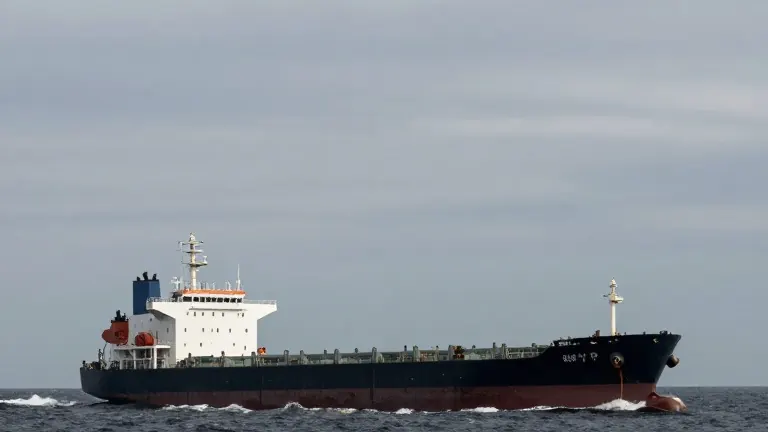
Commercial shipping in the Black Sea has become a primary target in the conflict between Russia and Ukraine, with at least nine vessels struck by drones off the coasts of Romania and Bulgaria in October.
The attacks threaten a region that accounts for nearly 27 percent of global wheat exports. Russia and Ukraine together supply this massive share of the world market, making the disruption to their shipping lanes a direct factor in rising global food prices.
The monthly rate of attacks associated with the Danube corridor reached 3.7 times the level seen in the first half of 2026. The Danube’s share of cargo handled at Ukrainian ports jumped from about 10 percent in the first half of the year to 74 percent in August.
Maritime security company Ambrey reported these figures, noting that most targeted vessels are commercial ships carrying oil, gas, petroleum products, or food commodities like wheat and corn.
Ukrainian agriculture minister estimates that if ports remain closed, the country will lose at least $8 billion between June 2026 and June 2027. This amount represents 20 percent of Ukraine's total export revenues from the previous year.
Grain and vegetable oil exports accounted for about 40 percent of Ukraine's total merchandise exports in the first half of 2026. Russian attacks have largely halted maritime traffic through Ukraine's Black Sea ports, which previously handled about 90 percent of the country's agricultural exports.
On the Russian side, Ukrainian drones struck 76 vessels between July 6 and 11, according to Ukrainian military officials. These attacks reportedly knocked out an estimated 70 percent of Russia's grain export capacity, forcing Moscow to divert exports to Baltic Sea ports.
Russian wheat futures on the Chicago Mercantile Exchange reached their highest levels since 2023. Prices rose by about 20 percent in the first nine months of 2026, coinciding with the peak export season for winter wheat in both countries.
The US Department of Agriculture estimates that combined production from the world's seven largest wheat-exporting countries will fall by 11 percent in the 2026-27 season due to drought and climate change.
The disruption adds to existing inflation pressures caused by energy supply issues in the Gulf. Importing nations in the Arab and African regions face higher import bills and potential depletion of strategic reserves as transport costs and security expenses increase.
Source: Al Jazeera
More Business · Unethical Practices · Report a business · Got a Story?