Porters Built First National Black Union
Black railroad workers formed a national union in 1925, securing rights that predated the modern civil rights movement.
By Neha Delgado ·
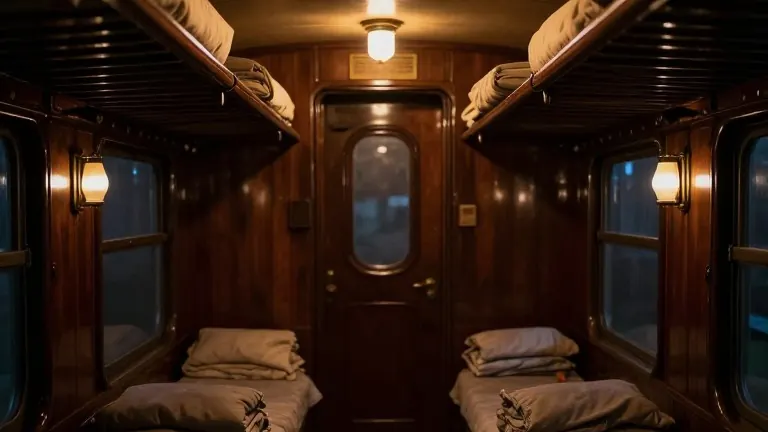
The Pullman Company ended its luxury rail operations in 1969. That date marks the close of a business era that began with the hiring of thousands of Black men to serve white passengers.
The Brotherhood of Sleeping Car Porters was established in August 1925. It became the first labor organization led by African Americans to gain national recognition in the railroad industry.
A. Philip Randolph was recruited to lead the organization as its president in 1929. The union fought for fair wages and improved working conditions against strong opposition from the Pullman Company.
The company eventually signed a collective bargaining agreement with the union. This agreement helped establish a foundation for future civil rights organizing in the United States.
The work was physically demanding. Porters often worked shifts lasting 20 hours to meet monthly requirements of 400 hours or 11,000 miles.
Linus Scott, a porter for 35 years, told CBS in 2009 that he sometimes worked 21 hours straight. He slept for only three hours during those long stretches.
Many porters earned one dollar a day. They had to pay for their own uniforms and meals while performing unpaid preparation and cleanup duties.
Tips were essential to supplementing their low wages. White passengers often called the men 'boy' or 'George' after the founder, ignoring their actual names.
By the 1920s, approximately 20,224 African Americans worked as Pullman porters. This made the industry a major source of employment for Black workers in the United States and Canada.
The company sold nearly 34 million premium fares at its peak in 1929. The federal government challenged the company’s monopoly in court in 1940.
Courts ordered the company to separate its manufacturing operations from its operating business. Passenger rail travel declined in the 1950s as the Interstate Highway System expanded.
Amtrak began operating in 1971 and assumed most of the remaining passenger rail routes. Some former porters continued working under the new system while others retired.
Source: WOLB