Philly Chefs Rework Italian Menus
Five chefs in the city are blending global ingredients with family traditions to create a new style of Italian American food.
By Neha Delgado ·
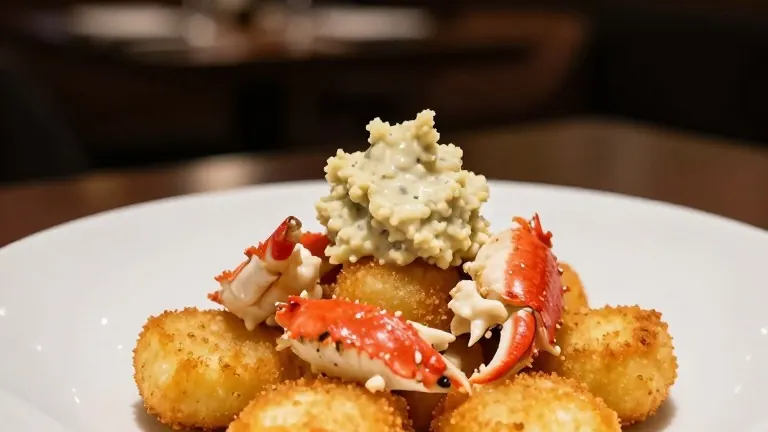
Philadelphia chefs are moving away from the standard spaghetti and meatballs of the past. They are building menus that combine specific regional Italian techniques with global flavors and personal memories. This shift is defining a new era for the city's dining scene.
At Elma in Fishtown, James Nardone serves deep-fried polenta fritters with scarlet crab and horseradish. He describes the dish as a savory funnel cake with crab sauce. Nardone notes that the plate does not contain many traditional Italian elements. He relies on College Inn chicken stock for his cooking because it replicates the flavor of his family's kitchen. His parents are Abruzzese and Calabrese, and he seeks to capture the intuitive measurements his grandmothers used.
Michael Vincent Ferreri brings a century-old eggplant caponata recipe to Irwin's. The dish comes from his great-grandmother. Ferreri also features a tomato and watermelon crudo on his summer menu. This item was inspired by his travels to Spain, Istanbul, and Cairo. He believes these locations influenced Sicilian cuisine through history and trade. At Irwin's, the kitchen follows traditional methods until 5 p.m., when it begins plating food in a modern style.
Chris D'Ambro at Ambra has served pasta topped with ramp kimchi. His summer menu includes tuna crudo with corn and fig leaf panna cotta with lime. He also serves a terrine of capon, veal cheeks, and chanterelles. The dish is topped with mustard oil that his aunt smuggled out of Italy because it is rare in the United States. D'Ambro says his cooking is specific to his small restaurant and feels natural to him.
Townsend Wentz at A Mano cooks from every region of Italy. He uses Spanish ingredients and French techniques. His antipasti include Greek feta and Basque peppers. Wentz argues that regionality is less important in Philadelphia due to the city's extreme temperature changes. He states that championing one region would be a mistake in such a climate.
These chefs view their menus as biographical. They include food memories and personal experiences that go beyond traditional Italian categories. D'Ambro says he uses the term modern Italian to give diners a clear idea of what the food is not. This label provides him with the freedom to define the actual flavors on the menu.
The common thread among these kitchens is the space they create for experimentation. The chefs embrace the friction between tradition and new ingredients. They combine history with personal biography to shape their dishes.
This group of chefs is reshaping how Italian American food looks and tastes in Philadelphia. They draw on red-sauce traditions while adding elements from travel and personal history. The result is a cuisine that reflects the diverse backgrounds of the people making it.
The November issue of Philadelphia magazine features these chefs in a cover story. The publication is releasing daily stories about the evolution of the city's food scene this week. The feature highlights the shift from rigid expectations to a more flexible approach to cooking.
Chefs in the city continue to serve dishes that challenge traditional norms. They use ingredients from different continents and rely on family recipes passed down through generations. The new menus reflect a mix of old-world skill and new-world influence.
Source: Philadelphia