Nearly Half of Musicians Question Authenticity in 2026
A surge in AI-generated content and alleged fraud has led to a renewed debate about what constitutes real music, echoing historical disputes over digital recording and studio manipulation.
By Neha Delgado ·
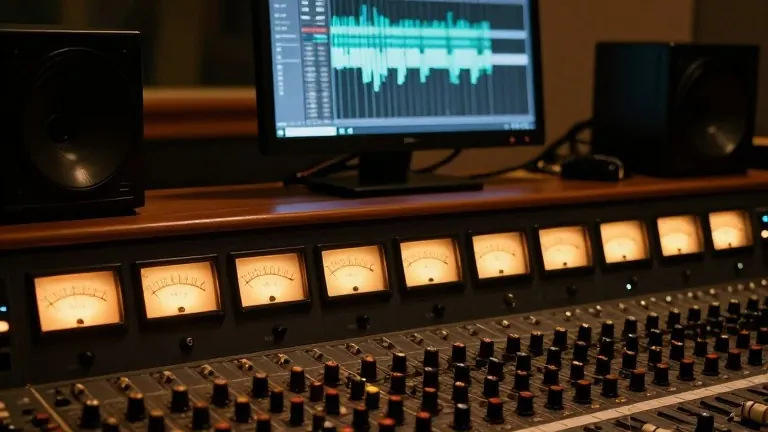
The music industry is grappling with a pervasive sense of artificiality in 2026, driven by the rapid adoption of AI tools and a rise in alleged scams. This shift has prompted a widespread reassessment of how listeners and artists define genuine musical expression. The current climate is marked by a heightened sensitivity to manufactured elements in both pop and independent scenes.
Caspian Hollywell of the New Orleans rock band Twisted Teens captures this anxiety in the song "Is it real?" Hollywell’s vocal performance questions the validity of his own salvation or medication, reflecting a broader cultural doubt. The track exemplifies the tension between musical empowerment and the fear that the experience is a trick. Hollywell claims a lineage of authenticity that predates modern technology, stating, "You can like us or you can hate us, but you can't say we're not real." This assertion connects to a long history of debates about musical integrity that began when Black brass bands introduced noisy authenticity to New Orleans streets while orchestras played European concert music.
Previous technological shifts have triggered similar authenticity crises. In 1979, Ry Cooder used a computerized system to record his album "Bop Till You Drop," a first for a major label artist. While Cooder initially praised the clarity, he later described the final product as "thin" and "cold," noting that digital recording eliminated the room's ambiance. A decade later, session singer Yvette Marine accused Paula Abdul of using a "composite voice" on "Opposites Attract." Marine’s lawsuit failed, but critic Simon Reynolds defended Abdul’s use of studio tools, acknowledging that her work was "louder than life but lacking in resonance." These historical examples illustrate how new tools often provoke accusations of inauthenticity before listeners adjust.
Current industry figures argue that the present moment is distinct due to the scale of AI involvement. A new wave of artists, including those in the bands Mandy, Indiana and GENA, are turning to raw, D.I.Y. methodologies. These musicians are gaining acclaim partly because they are seen as resisting what critics call the "black hole of AI slop." The battle for musical soul is viewed as momentous by serious listeners and musicians alike. Social factors also influence these judgments, as artists like Cooder and Abdul faced scrutiny not just for their technical choices, but for their cultural positions within the music landscape.
Hugh Barker and Yuval Taylor identify three frameworks for authenticity in their 2007 book "Faking It." Representational authenticity questions whether an artist actually performed or composed a work. Cultural authenticity requires verifiable ties to specific communities or musical legacies. Personal authenticity examines whether a confessional song is grounded in the artist’s own experience. These distinctions set the rules for how artists are judged as their careers progress. The current discourse extends beyond single artists to a free-floating concern about what is real in culture generally.
Listeners have historically adapted to new technologies, often embracing the "immediacy and effervescence" of the product. Few people today question the validity of Donna Summer’s synthesizer-driven disco or The Monkees’ studio performances. The public adjusted its definition of authenticity to credit onscreen charisma and the artistry of blending human emotion with synthetic grooves. Technology’s seductions are difficult to resist because new tools often serve both profit and pleasure, as seen in the popularity of ABBA’s holographic show since 2022.
Upcoming developments include a catalog of musical fraudulence and a historical survey of fakes, which will be featured in a podcast discussion. These resources aim to provide a structured look at the year’s controversies. The conversation will explore why it feels harder than ever to distinguish between real and fake in contemporary music. The release of these materials is expected to further define the parameters of the ongoing authenticity debate.
Source: WYPR