Dyson's AI Push: Robot cleaners and smart brushes arrive in Israel
The company's new flagship store in Glilot features a robot that recognizes 200 objects and a toothbrush with a macro lens, marking a shift from mechanical parts to computer vision.
By Chloe Phillips ·
5,126 prototypes failed before James Dyson built the first bagless vacuum cleaner. That number anchors the history of the British company, which has spent more than three decades refining mechanical systems. Today, the brand is pivoting toward artificial intelligence and robotics, a transition on full display at its new flagship store at BIG FASHION Glilot, north of Tel Aviv.
The store, which opened this week, serves as a testing ground for products that move beyond traditional engineering. The lineup includes the Spot+Scrub AI robotic cleaner, the Airwrap Co, the Airsmooth hot air brush, and the CameraJet electric toothbrush. These devices represent a deliberate shift from pure mechanical force to systems that perceive, calculate, and act.
Guy Turner, a design engineer on Dyson’s robotics team in Singapore, explained the company’s current philosophy to The Jerusalem Post. The goal is to identify tasks that have remained static for decades and apply new technology to them. “We believe solving problems in the home is about sensing and perceiving what you want to clean, and creating products for problems that already exist,” Turner said.
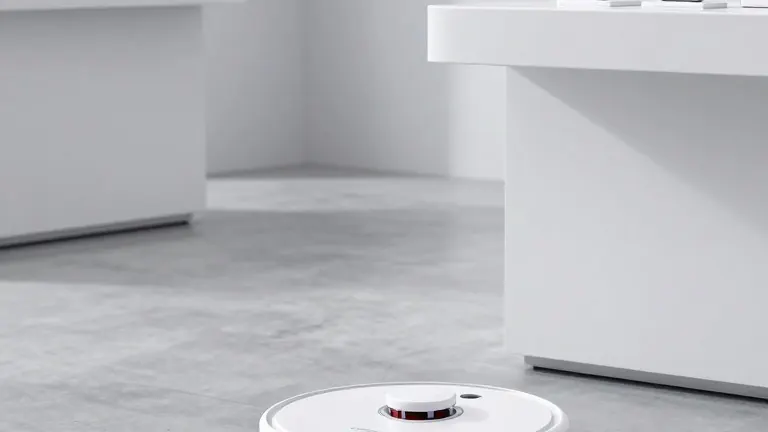
The Spot+Scrub AI embodies this approach. It combines wet and dry cleaning with a suite of sensors, including an HD front-facing camera, green LED illumination, LiDAR, and dual-laser sensing. The robot uses these tools to identify objects and navigate indoor spaces. According to Dyson, the device can recognize nearly 200 household items, from cables to socks, and adjusts its movement accordingly.
Unlike standard robots that follow a fixed grid, the Spot+Scrub AI detects specific stains and returns to them repeatedly. “Spot+Scrub AI detects a dirty area and does it persistently until it’s gone,” Turner said. Users manage the device through the MyDyson app, where they can schedule sessions, view home maps, and request targeted cleaning of specific zones.
The company is applying similar sensing technology to personal care products. The CameraJet electric toothbrush addresses a persistent gap in oral hygiene: many users still do not floss or brush long enough. Turner noted that the electric toothbrush category has seen little fundamental change in 30 years. The CameraJet integrates a camera with water-jet technology to provide a live feed of the brushing process on a connected app.
The camera features a macro lens that captures approximately 100,000 pixels across a one-millimeter-by-one-millimeter area. This resolution allows users to see fine details on their teeth and gums. The system offers guidance to improve technique, turning a routine task into a monitored process. The toothbrush is expected to become available in Israel during the first half of 2027.
Dyson views Israel as a key market for these innovations. Turner cited the local consumer’s strong interest in technology and willingness to adopt new tools. “There’s a passion for technology in Israel. Consumers here are very tech-savvy,” he said. The company, which employs approximately 14,000 people worldwide, including 6,000 engineers, sells in 85 markets. Its headquarters are in Singapore, with research activities in the UK.
The Glilot store is designed for interactive experiences rather than passive browsing. Live demonstrations allow visitors to see the robots navigate and the toothbrushes capture images in real time. The setup offers a direct look at how Dyson intends to merge mechanical engineering with connectivity and on-product intelligence in the coming years.
Source: The Jerusalem Post