Automatic 401(k) rollovers cut small-balance cash-outs to 9%
Vanguard data shows the Portability Services Network keeps small retirement balances in interim IRAs, though only a small fraction reach new employer plans.
By Neha Delgado ·
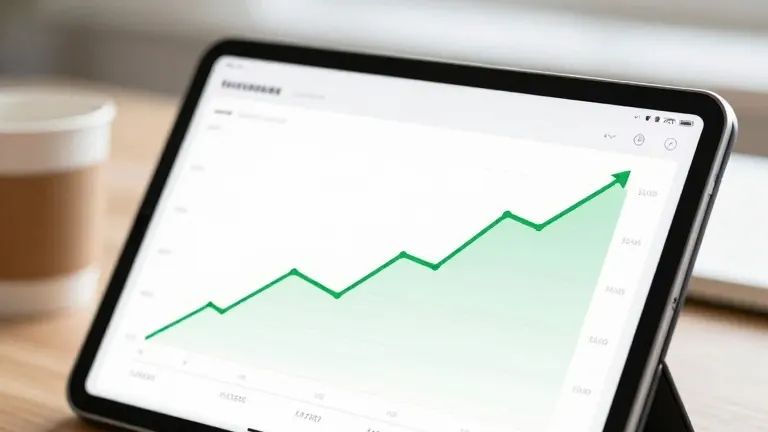
The share of workers with 401(k) balances under $1,000 who cash out their accounts within 10 months of leaving a job has fallen to approximately 9%, according to new research from Vanguard. This figure is down from roughly 50% prior to their employers adopting an automatic portability system.
The system is called the Portability Services Network. It operates through a coalition of large 401(k) administrators, including Vanguard, Fidelity Investments, and Alight Solutions, working with the Retirement Clearinghouse. The network has been active since late 2023. Its function is to automatically move small retirement balances from a former employer to a new one, bypassing the common practice of cashing out or moving funds to a standalone IRA.
When a participating worker leaves a job with a small balance, the funds are automatically rolled into a safe harbor IRA. The network then attempts to match that balance with the worker’s new employer plan. If the new employer also participates in the network, the money is transferred directly into the new 401(k). If the new employer does not participate, the money remains in the interim IRA.
Vanguard’s analysis covered roughly 220,000 outbound rollovers from 83 employer-sponsored plans that adopted the automatic portability feature. The median balance in these accounts was $200. Nearly three-quarters of the accounts involved balances of less than $1,000. The typical saver in the study was 31 years old, earned about $20,000 annually, and had worked for the employer for approximately six months.
For workers with balances between $1,000 and $7,000, the cash-out rate fell to 31% from 39%. Under standard plan rules, balances under $1,000 are often cashed out and mailed as a check, while balances between $1,000 and $7,000 are typically rolled into an IRA if the employee takes no action. Cashing out can trigger income taxes and a 10% early withdrawal penalty for those under age 59 1/2.
Despite the reduction in cash-outs, the money is not always moving to new employer plans as intended. As of early 2026, only 6% of accounts transferred into IRAs through the network had successfully moved to a new employer’s plan. The majority of funds remain in the interim IRAs, waiting for a match with a participating employer. This delay is largely attributed to the low number of employers who have opted into the network.
Steve Holman, senior vice president of strategy and development at Retirement Clearinghouse, stated that 23,787 plans have adopted automatic portability. These plans represent 7.73 million participants. He noted that there are approximately 96 million participants in 401(k)s and similar workplace plans nationwide.
Since the network launched in November 2023, it has completed 53,118 transactions. These transfers totaled $71.3 million in assets moved from previous employer plans to new ones. Holman reported that 1.22 million eligible participants are currently waiting to be matched with a new employer. This number is up more than 25% since the beginning of 2026.
The Vanguard study noted that keeping money in a safe harbor IRA is generally better than cashing out, but management fees can erode small balances. For many small accounts, earnings on conservative default investments may not offset recurring account-level fees while the account remains unmatched. The study found that for Roth 401(k) balances, the funds move to Roth IRAs, but IRS rules currently prevent these Roth IRAs from rolling back into a new employer’s 401(k), even if that plan offers Roth options.
Holman said the network is advocating for legislation to allow Roth dollars to be eligible for auto-portability. He stated that the network’s technology can support such transfers today. A separate survey by Empower found that 50% of Generation Z respondents and 45% of millennials believe they have lost track of retirement savings from a previous employer.
Source: CNBC
More Business · Unethical Practices · Report a business · Got a Story?